In Mexico City’s Miguel Hidalgo district, you can eat through an entire history of Mexican cuisine without repeating a dish twice. From the produce vendors at Mercado San Miguel Chapultepec who have been working the same stalls for three decades, to the family-run restaurants where mole recipes pass from grandmother to grandchild, this is where the city’s culinary range becomes clear.
As a chef who has spent years guiding visitors through these streets, I’ve watched travelers arrive expecting tacos and leave with a far more layered understanding of what Mexican food actually is.
Markets That Define the Miguel Hidalgo District
The heart of Miguel Hidalgo’s food culture beats strongest in Mercado San Miguel Chapultepec, where vendors arrive before dawn to arrange pyramids of ruby-red tomatoes, emerald tomatillos, and dozens of chile varieties that most visitors have never encountered. Our guests often pause here, overwhelmed by the sensory symphony: vendors calling out today’s specialties, the rhythmic chopping of preparation work, and the complex aromatic layers that shift with each step through the market.
What makes this market extraordinary is not just the produce quality but the relationships that define it. The señora who has been selling herbs for thirty years knows which combination of epazote and hoja santa will transform your black beans. The meat vendor who remembers your preferences after two visits, carefully trimming the perfect cut for your carnitas. These connections reveal why Mexican cuisine cannot be separated from community — every great dish begins with conversations between people who understand ingredients as living elements of culture.
In the early morning hours, when the Mexico City air carries that crisp clarity of high altitude, we watch vendors arrange displays that look like abstract art: concentric circles of different chile varieties, geometric patterns of tropical fruits, and careful arrangements of fresh herbs that release their perfume when touched.
The morning chill gives way to gentle warmth by 10:30 a.m., creating perfect conditions for market exploration without the oppressive heat that many associate with Mexican cities.
The Mole Revelation
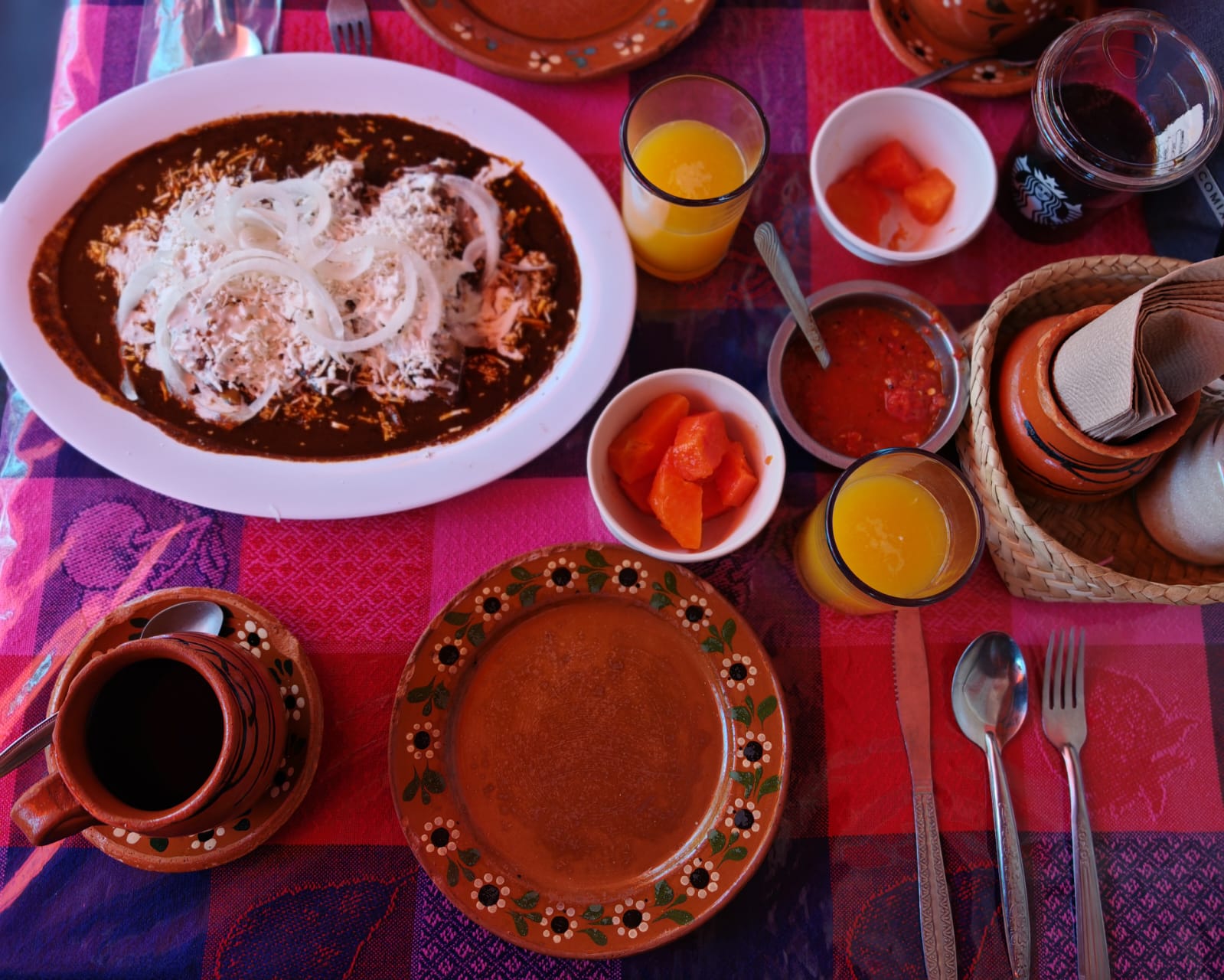
The transformation happens differently for each guest, but it always happens. Someone takes their first authentic bite of mole — not the chocolate-forward tourist version, but the real thing prepared by a family whose recipe spans generations — and suddenly their understanding of Mexican cuisine shifts completely.
I’ve watched guests pause mid-conversation, lower their fork, and stare back at the bowl with genuine surprise as layers of flavor unfold: smoky chillies, warm spices, perhaps a hint of chocolate, but mainly the profound complexity that comes from toasting, grinding, and balancing twenty or more ingredients into something that tastes like centuries of culinary evolution concentrated into a single sauce.
This is what happens when you encounter mole prepared by the same family across three generations in their small restaurant tucked away from tourist routes.
The grandmother, who learned the recipe from her mother, still oversees the chile selection. Her daughter manages the complex timing of each element. Her grandson serves guests while learning techniques that cannot be captured in cookbooks. This is culinary heritage in living form — not preserved in museums, but actively practiced and passed down in ways that connect diners to something far deeper than flavor.
Related read: A Culinary Adventure at Mesones Sacristía Featuring Mole Poblano Sauce
Street Food as Social Architecture
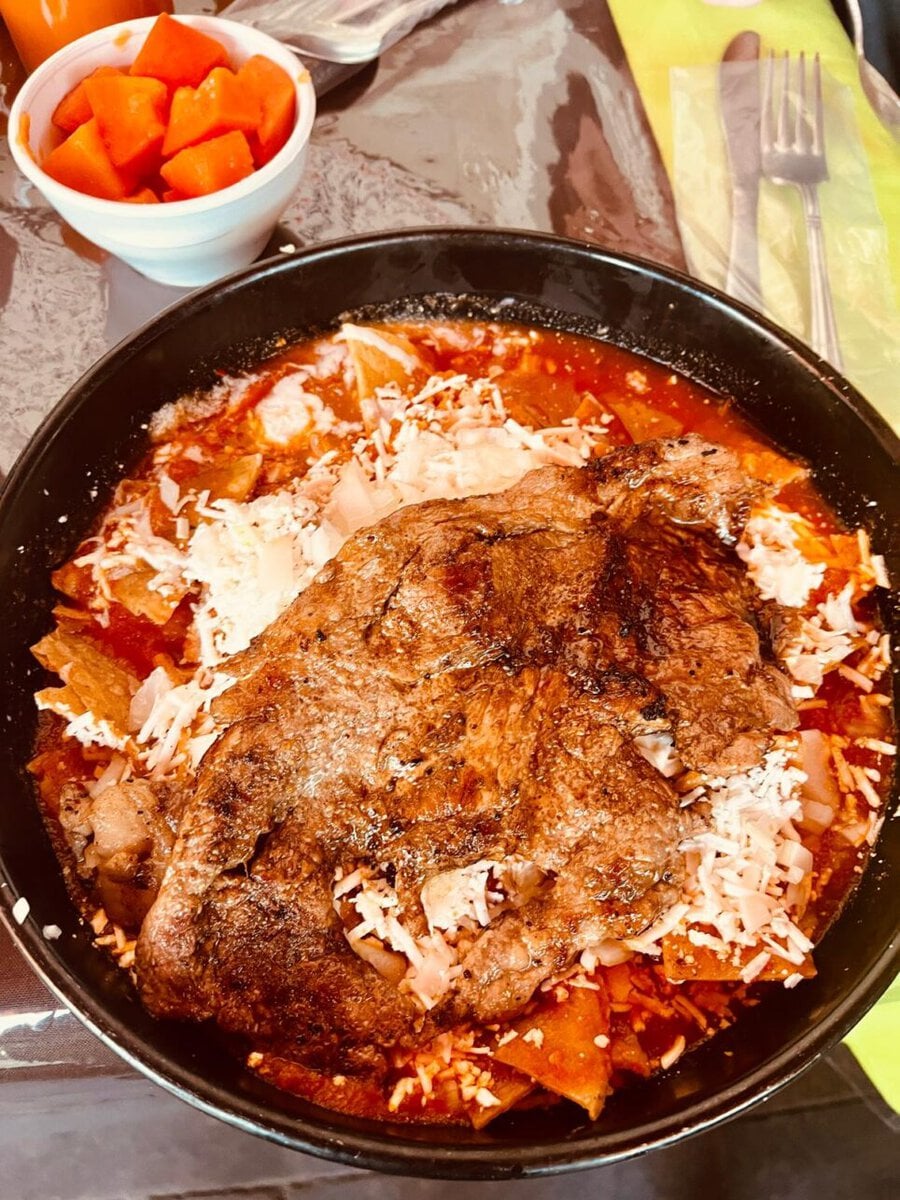
Miguel Hidalgo’s street food scene operates according to unwritten rules that reveal themselves gradually. The best tacos al pastor come from stalls where locals queue without checking their phones — they know the rotation schedule, understand which cuts to request, and participate in the social rhythm that makes street food a community experience rather than fast food.
You learn to read the signs: fresh salsas that glisten in small bowls, tortillas made throughout the day rather than stacked from morning prep, and the confident movements of vendors who have perfected their craft through repetition. The trompo (vertical spit) spinning with marinated pork becomes a focal point where strangers share recommendations, debate optimal combinations of toppings, and participate in Mexico City’s most democratic dining experience.
What surprises many visitors is how quickly hygiene concerns dissolve when you understand the system. High-turnover stalls with constant customer flow maintain freshness better than many restaurants. Vendors who have built neighborhood reputations depend on quality and safety. The key is learning to read the environment: busy stalls with satisfied locals, fresh ingredients prepared throughout the day, and clean preparation areas maintained by people whose livelihoods depend on their reputation.
Cantinas and Cultural Context
The traditional cantinas scattered throughout Miguel Hidalgo offer something impossible to replicate elsewhere: the chance to understand Mexican drinking culture as social ritual rather than tourist activity. These establishments, some dating back decades, operate according to protocols that transform alcohol consumption into community bonding.
When we enter a family-run cantina, guests discover that ordering mezcal properly involves understanding the spirit’s relationship to specific regions, production methods, and social customs. The elderly bartender who explains the difference between espadin and tobala agaves while pouring careful measures is sharing knowledge that connects contemporary Mexico City to rural communities where these spirits originate.
The conversations that develop around shared mezcal reveal why these spaces matter beyond alcohol. Regular customers who remember the cantina from their youth, workers stopping for a quick beer after long shifts, and groups celebrating life events all contribute to an atmosphere where Mexico City’s social fabric becomes visible. Our guests often comment that these interactions feel more authentic than any planned cultural activity — because they are authentic, unscripted moments of genuine connection.
Regional Specialties in Urban Context
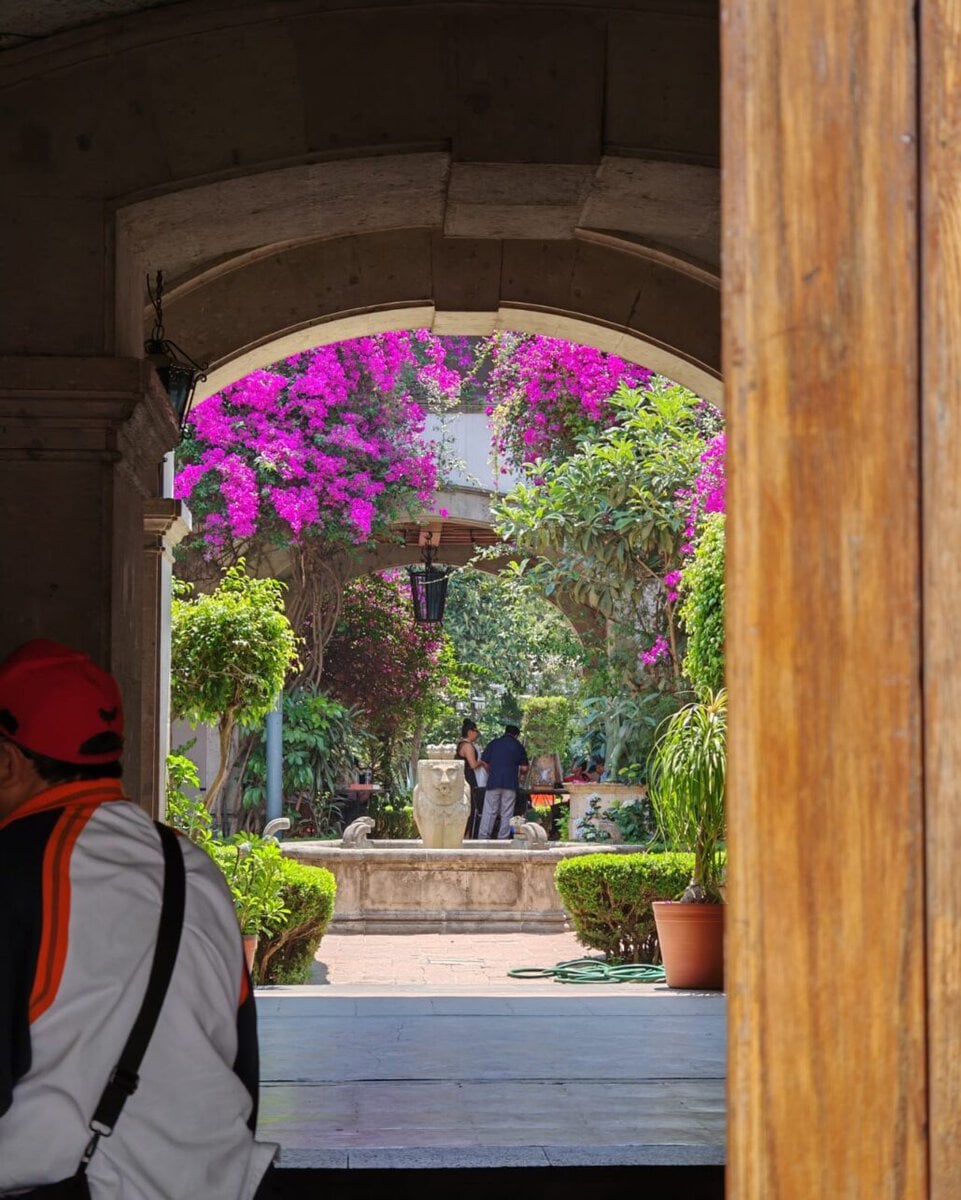
Miguel Hidalgo’s restaurant scene showcases how Mexico City functions as a culinary magnet, drawing traditions from across the country and concentrating them in neighborhoods where regional specialties find new expression. The Oaxacan restaurant where tlayudas are prepared exactly as they would be in the Zapotec valleys. The Yucatecan spot where cochinita pibil maintains the smoky depth of pit-cooking despite urban constraints.
What makes these experiences special is meeting the people behind them. The chef who moved from Puebla specifically to introduce Mexico City to proper chiles en nogada. The family who recreated their grandmother’s pozole recipe in a small restaurant that serves the surrounding office workers. These personal stories transform meals into cultural exchange, where food becomes a bridge between Mexico’s diverse regions and contemporary urban life.
If you dig deeper, you’ll find how each dish carries geographic and historical information. The indigenous ingredients that predate Spanish colonization. The Lebanese influences that arrived through nineteenth-century immigration. The Chinese techniques that merged with Mexican flavors in unexpected ways. Every plate tells stories about migration, adaptation, and the creative ways cultures blend without losing their essential character.
Beyond the Tourist Map
The most remarkable discoveries happen in places that exist primarily for locals rather than visitors. The neighborhood taqueria where construction workers gather for breakfast. The small fondas (family restaurants) where office employees eat comida corrida (set lunch menus) that change daily based on market availability. The weekend barbacoa stands where families arrive with containers to take home meat that has been slow-cooked through the night.
These experiences require local knowledge and cultural sensitivity. Understanding when to visit, how to order, and how to participate respectfully in spaces where tourism is not the primary economic driver. Our role as guides involves not just identifying these places, but facilitating interactions that enrich both visitors and the communities they encounter.
The unexpected moments that travelers remember most often involve these spontaneous connections. A vendor offering to explain proper salsa verde preparation. A regular customer inviting visitors to share their table during busy lunch hour. An elderly woman stopping to chat about the changes she has witnessed in the neighborhood over decades. These interactions transform Mexico City from a destination into a community, creating memories that extend far beyond the actual meals.
Related read: Beyond the Beach Club: How to Find Authentic Mexican Culture on a Short Port Stop
Practical Information
The optimal timing for food exploration in Miguel Hidalgo runs from mid-morning through early evening, when markets display peak freshness and restaurants serve their full menus. Arrive at markets by 10:30 a.m., when vendors have completed their morning setup but ingredients remain at peak quality. Lunch service typically runs from 1:00 p.m. to 4:00 p.m., while dinner begins around 7:00 p.m.
Weather considerations matter more than many visitors expect. Mexico City’s elevation (7,200 feet above sea level) creates bright, crisp sunlight that can be deceiving. Morning temperatures start cool and comfortable, reaching pleasant warmth by midday. Light layers work better than heavy clothing, and comfortable walking shoes are essential for market exploration and street food hunting.
Transportation within Miguel Hidalgo relies primarily on walking, metro connections, and ride-sharing services. The neighborhood’s food highlights cluster around key nodes, making it possible to explore multiple destinations within reasonable walking distances. Metro stations provide access to other districts, while ride-sharing offers convenient connections for evening visits to cantinas.
Safety considerations focus on common-sense precautions rather than specific food-related concerns. Stick with bottled water (universally available and inexpensive), choose busy food stalls with high turnover, and trust your instincts about cleanliness and freshness. The greatest risks involve traffic awareness while walking and standard urban precautions regarding personal belongings.
Related read: How to Avoid Food Poisoning in Mexico
Frequently Asked Questions
Is it safe to eat street food in Mexico City’s Miguel Hidalgo district?
Yes, when you choose stalls with high customer turnover and visible preparation areas. Look for busy spots where locals eat regularly, fresh ingredients prepared throughout the day, and vendors who maintain clean workspaces. Avoid stalls with food sitting under heat lamps for extended periods, and trust your instincts about cleanliness and freshness.
What’s the difference between tourist-oriented Mexican restaurants and local favorites?
Local establishments typically offer daily changing menus based on market availability, serve food on simple plates without elaborate presentation, and cater to neighborhood workers and families rather than visitors. Tourist-oriented spots often feature fixed menus with English translations, decorated dining rooms, and standardized preparations that prioritize consistency over seasonal variation.
How spicy is authentic Mexican food compared to Tex-Mex expectations?
Mexican cuisine emphasizes complex flavor development over pure heat, using chiles for their unique characteristics rather than just spiciness. Many traditional dishes are quite mild, building flavor through herbs, spices, and technique. However, salsas can range from gentle to intensely spicy, and it’s perfectly acceptable to ask about heat levels or request milder options.
What time of day offers the best food experiences in Miguel Hidalgo?
Morning market visits (9:00 a.m. to 11:00 a.m.) provide peak ingredient quality and vendor interaction opportunities. Lunch service (1:00 p.m. to 4:00 p.m.) showcases the most extensive menu options. Evening cantina culture (7:00 p.m. onwards) offers insights into social drinking traditions, while late-night street food provides different specialties than daytime options.
What’s the proper etiquette for eating in traditional cantinas?
Order drinks before food, as many cantinas function primarily as drinking establishments. Share small plates (botanas) with your group rather than ordering individual dishes. Respect the social atmosphere by engaging in conversation rather than focusing on phones or cameras. Tip service staff appropriately, and understand that these are neighborhood gathering places where courtesy and respect for regular customers matter significantly.