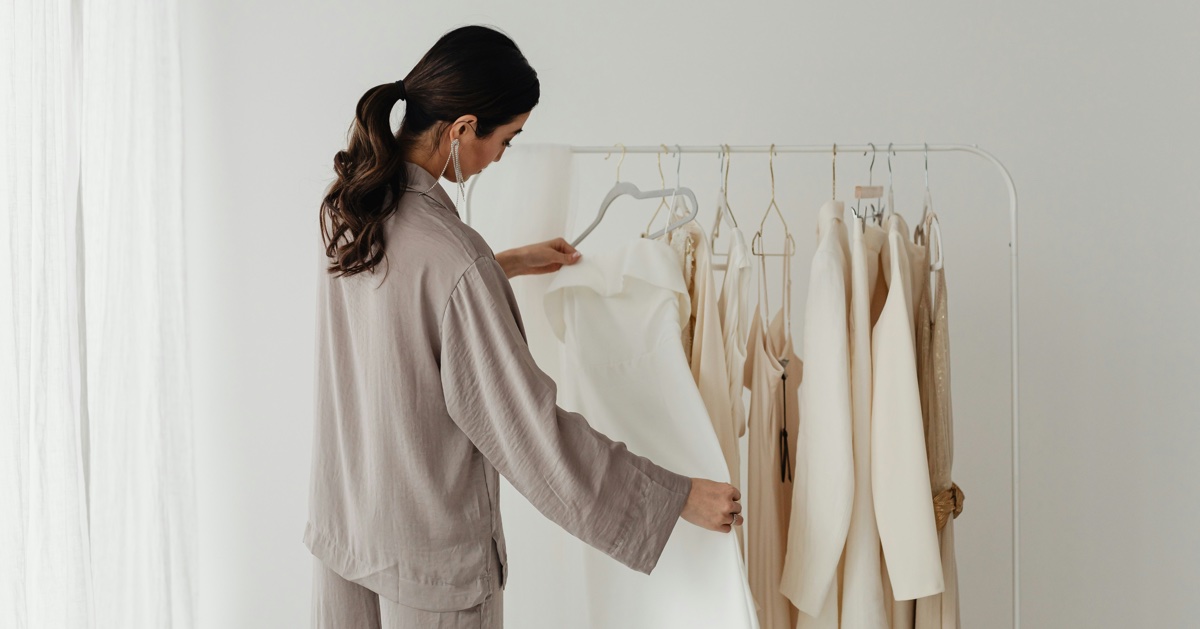
When you need to move a wardrobe built around delicate fabrics and statement pieces, the process requires extra care. It demands more than just packing clothes into boxes. These items require special attention to avoid damage during the move.
Fabrics like silk, wool, and lace are more prone to tears, stains, and wrinkles, while statement pieces with embellishments, beads, or intricate designs can easily get crushed or bent.
Careful planning is necessary to protect your wardrobe’s most fragile items, ensuring they reach their new home in perfect condition. Packing these pieces requires extra steps, from selecting the right materials to knowing how to properly fold, wrap, and store each item.
Understanding the unique needs of these clothes is the first step toward a successful move.
How to Assess Your Wardrobe Before Moving

Assessing your wardrobe before moving helps you identify which items need extra care. Start by categorizing clothes based on their fragility and value. Separate delicate fabrics like silk or cashmere from sturdier items such as denim.
Examine each garment’s condition, noting any wear and tear, stains, or potential damage. If an item has been rarely worn or is no longer in good shape, consider donating or discarding it.
Properly assessing your wardrobe helps you minimize the risk of damage and make the move smoother.
Gathering the Right Packing Materials for Your Delicate Wardrobe
Packing delicate fabrics and statement pieces requires the right materials to avoid any damage. Start by gathering sturdy boxes, garment bags, acid-free tissue paper, and bubble wrap. As a matter of fact, using these items ensures that your clothes remain protected during the move.
For example, wrapping each delicate item in tissue paper or a garment bag prevents wrinkles and tears. Not to mention, bubble wrap adds extra cushioning for statement pieces with embellishments or structure.
You’ll need to avoid using standard packing tape on these items since it can leave sticky residue or cause damage. Be sure to select high-quality packing materials designed for fragile items, as this will make a big difference in preserving your wardrobe during transport.
Packing Techniques: Safely Storing Delicate Fabrics

Packing delicate fabrics involves more than just folding them into boxes. With this in mind, fold or hang each piece carefully to avoid creating unnecessary creases. For items that need extra care, use garment bags to keep them in pristine condition.
Wrapping fabrics like silk or wool in acid-free tissue paper prevents moisture or dirt from affecting the fabric. In contrast, heavier fabrics like cotton or linen can be folded neatly, but even they benefit from being stored in breathable containers.
Be sure not to overpack boxes, as cramming clothes in too tightly can cause damage. Protect the edges and delicate parts of each item to avoid pressing or bending during the move. Proper packing techniques can keep your wardrobe in top shape.
How to Move a Wardrobe: Efficient Transportation Methods

To move a wardrobe with delicate fabrics and statement pieces, choosing the right transportation method matters, especially when timing does not line up perfectly.
You can hire professional movers or rent a vehicle, but many people choose to rent a temporary storage unit when there is a gap between move-out and move-in, or when staging or renovations slow things down.
Climate-controlled units help protect fabrics like silk, wool, and structured garments from heat, cold, and humidity, which can cause shrinking or warping. Still, storage adds another step to the move.
Costs can increase if items stay longer than planned, and moving clothing into and out of storage means more handling. That is why careful packing and planning access times matter. With the right setup, temporary storage can protect delicate wardrobes without adding unnecessary stress.
Protecting Statement Pieces During the Move
Statement pieces require extra protection when moving, as they often feature delicate embellishments or unusual shapes. Because of that, they tend to be expensive as well.
For example, the global silk market was valued at over $15 billion in 2021 and is projected to grow significantly, showing high demand. For this reason, you should take extra care of them.
Wrapping these items carefully is essential to prevent them from being damaged. Use extra padding or bubble wrap around garments with beads, sequins, or embroidery to keep them safe from crushing.
If the piece is bulky, consider hanging it in a garment bag or on a hanger during the move. However, oversized items, like coats or jackets, may need to be packed in a box with enough space to prevent squishing.
Make sure to pack each statement piece individually to minimize friction and protect its unique features. Taking extra precautions with your statement pieces will make them arrive at your new home unharmed.
Unpacking and Organizing Your Wardrobe After the Move

Once your wardrobe arrives at the new location, unpacking requires care to avoid causing damage. Then again, you’ll want to remove delicate items first and hang them immediately to prevent wrinkles.
For statement pieces, gently unpack and inspect each garment for any signs of damage during the move. Organize items based on their fabric type or use, such as evening wear or everyday clothing.
Similarly, fold garments that don’t need hanging and store them in breathable boxes or drawers. The key to unpacking successfully is to take your time.
By keeping items separated and organized, you prevent accidental damage and make it easier to find what you need. This step is important for preserving the integrity of your wardrobe.
Final Tips & Recap on Moving Your Wardrobe with Care
To move a wardrobe filled with delicate fabrics and statement pieces, thoughtful planning and attention to detail are a must. In short, take time to assess your clothes, select the proper packing materials, and choose a safe transportation method.
By categorizing your items based on fragility, packing them with care, and handling them gently, you can avoid damage to your wardrobe. Above all, remember that moving a wardrobe goes beyond getting your clothes from point A to point B.
It’s about preserving their quality and value. With the right approach, you can move your wardrobe safely and efficiently without compromising your most treasured pieces.