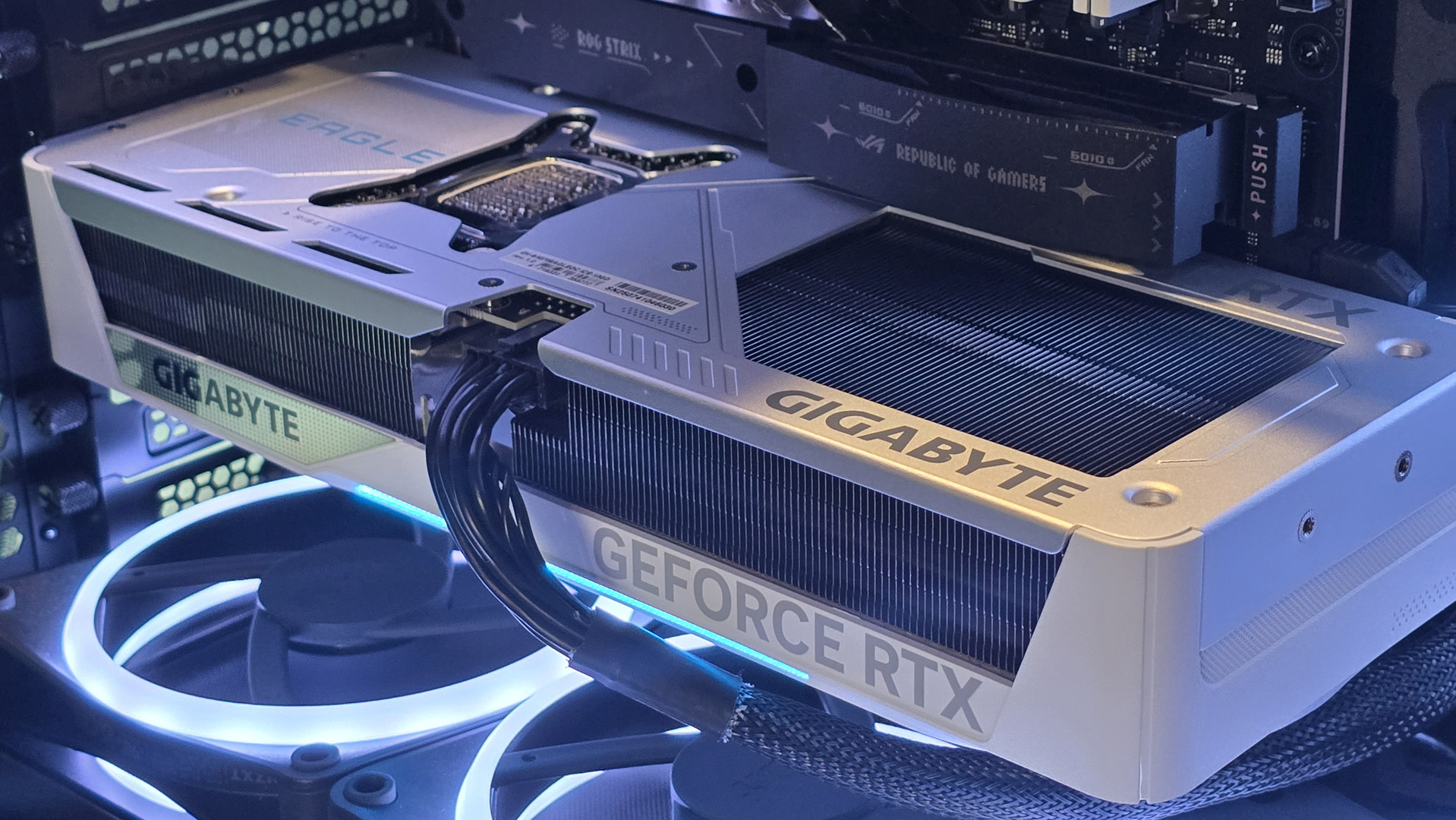
Zotac has warned that the ongoing memory shortage threatens the survival of some graphics card manufacturers, highlighting mounting pressure across the PC hardware supply chain.
The warning follows sustained increases in RAM and VRAM costs, which have disrupted GPU production planning and narrowed profit margins for board partners already operating under tight pricing constraints.
According to Zotac and translated by an X user, the current market conditions as “extremely serious,” raising concerns about whether some manufacturers and distributors can continue operating.
The statement reflects broader instability in the graphics card market, where memory availability increasingly dictates production volume rather than demand from consumers or retailers.
Zotac also pointed to constrained memory supply as a factor behind expected reductions in GPU shipment volumes, reinforcing fears that shortages will persist rather than ease in the near term.
Mounting pressure on GPU production
Memory constraints have already fuelled reports that Nvidia could reduce production of its RTX 5000 series GPUs by as much as 40 percent, a move that would further tighten availability.
Such cuts would disproportionately affect third-party board partners, which rely on predictable GPU allocations to justify manufacturing scale and manage component procurement.
Rising VRAM module prices compound the issue, forcing graphics card makers to absorb higher costs or pass them on to consumers through increased retail pricing.
Manufacturers including Zotac, Gigabyte, and Asus face shrinking flexibility as memory suppliers prioritise higher-margin enterprise and data centre customers over consumer hardware.
This imbalance places board partners in a vulnerable position, as they lack direct control over memory sourcing while remaining exposed to fluctuations in both component costs and GPU supply.
Impact on consumers and the wider market
For consumers, continued memory shortages translate into higher system build costs, with RAM pricing in some regions rivalling or exceeding the price of entry-level prebuilt PCs.
Graphics card prices may climb further if reduced supply coincides with steady gaming demand, extending affordability challenges that have persisted since previous supply chain disruptions.
The situation also reflects a strategic shift among major chip designers, as AMD and Nvidia allocate more manufacturing capacity toward AI accelerators rather than gaming-focused GPUs.
That pivot leaves consumer graphics products more exposed to component shortages, as memory suppliers prioritise contracts tied to artificial intelligence and enterprise computing workloads.
Together, these factors suggest the RAM crisis represents not just a temporary bottleneck, but a structural risk for smaller GPU makers operating in an increasingly constrained hardware ecosystem.