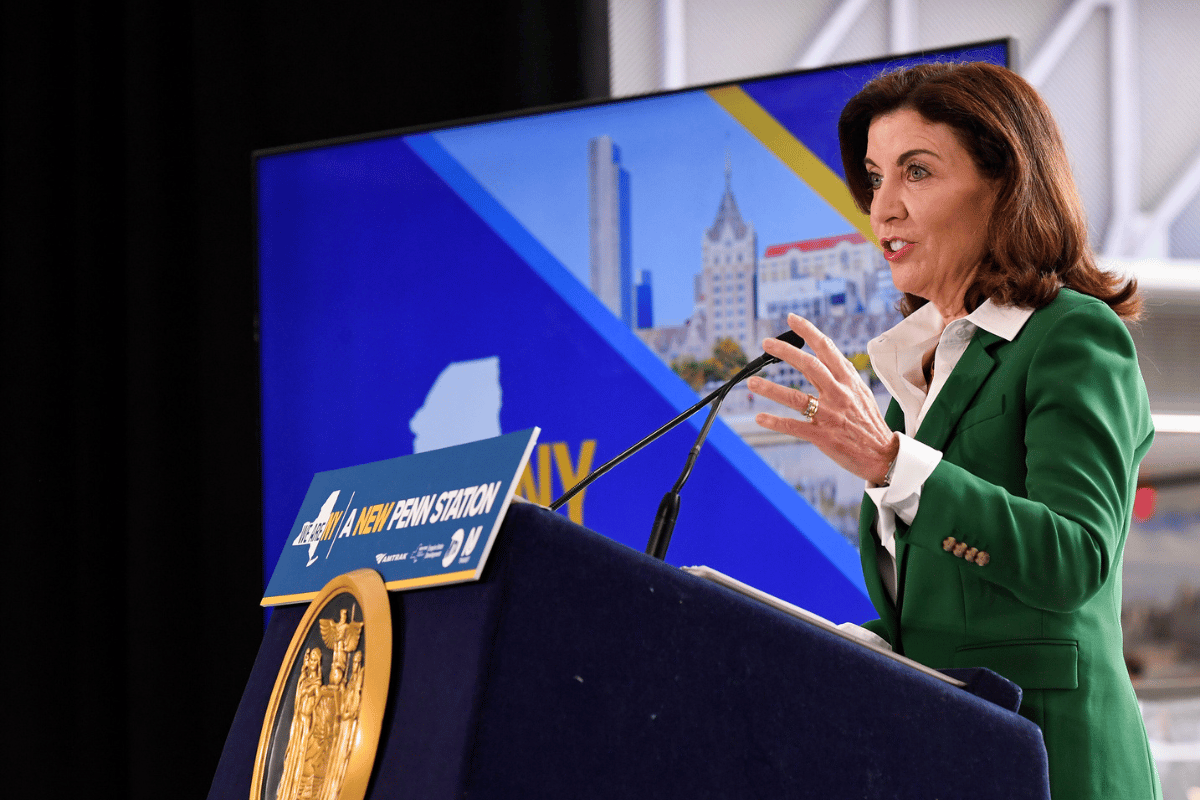
New York Gov. Kathy Hochul is planning to roll out a comprehensive plan to tighten oversight of online gambling, with a sharp focus on keeping young people off betting platforms and curbing industry practices that can fuel addiction.
The proposals, released Monday (March 30) alongside draft rules from the state Gaming Commission, expand on priorities outlined in Hochul’s 2026 State of the State agenda. Regulators have opened the measures for public comment, describing them as an effort to stop harmful gambling behaviors before they escalate.
“Mobile sports wagering is everywhere, enticing everyone — including our youth — to place bets without fully considering the consequences,” Hochul said. “We need strong regulatory safeguards to prevent those under 21 from gambling, keep artificial intelligence from preying on gamblers, and require sports wagering operators take real action if one of their customers is showing signs of gambling harm.”
She added, “I’m thankful to the Gaming Commission for putting forth comprehensive measures that achieve these goals and protect New Yorkers. As a reminder: Only legal, regulated gaming have such safeguards in place.”
Hochul calls for stricter safeguards to restrict youth online gambling
A major piece of the plan appears to target underage gambling. While sportsbooks already use identity checks, officials say younger users still find ways in, often by accessing someone else’s account.
To close those gaps, regulators are considering tighter controls. These include stronger age-verification systems, device registration requirements, and biometric tools to confirm that the person placing a bet matches the account holder. The draft rules also explore limiting access from unfamiliar devices or locations and requiring identity confirmation before wagers are placed.
Adults who knowingly allow minors to gamble could face penalties, including a possible statewide ban from gambling activities.
The proposal also takes aim at how betting companies use technology. Regulators want to block operators from deploying artificial intelligence to tailor promotions or suggest bets to individual users. The draft language would prohibit the use of “artificial-intelligence-powered services to offer personalized promotions or suggested wagers,” a restriction that could extend beyond sports betting to other forms of gaming.
At the same time, the state is outlining a more aggressive system to flag risky behavior. Operators would need to appoint a “responsible gaming lead” to monitor activity and identify customers showing warning signs.
The rules define an at-risk patron as someone who, after review, is “found…to be exhibiting potential problem gambling behavior.”
Certain triggers would prompt intervention, including large deposits, repeated canceled withdrawals, or sudden spikes in betting. Accounts meeting those thresholds would undergo what regulators call “a comprehensive examination and assessment of a patron’s gaming patterns.”
From there, operators would follow a stepped response. Early actions include outreach and directing users to support tools. If behavior continues, bettors may have to watch educational content before continuing. In more serious cases, accounts could be suspended while staff intervene directly, with permanent closures possible.
State officials and advocates say the measures reflect growing concern about gambling’s reach, especially among younger audiences.
Gaming Commission Chair Brian O’Dwyer said, “No other form of gambling has pervaded our consciousness like sports wagering, and impressionable kids are constantly exposed to the practice.”