C. Scott Brown / Android Authority
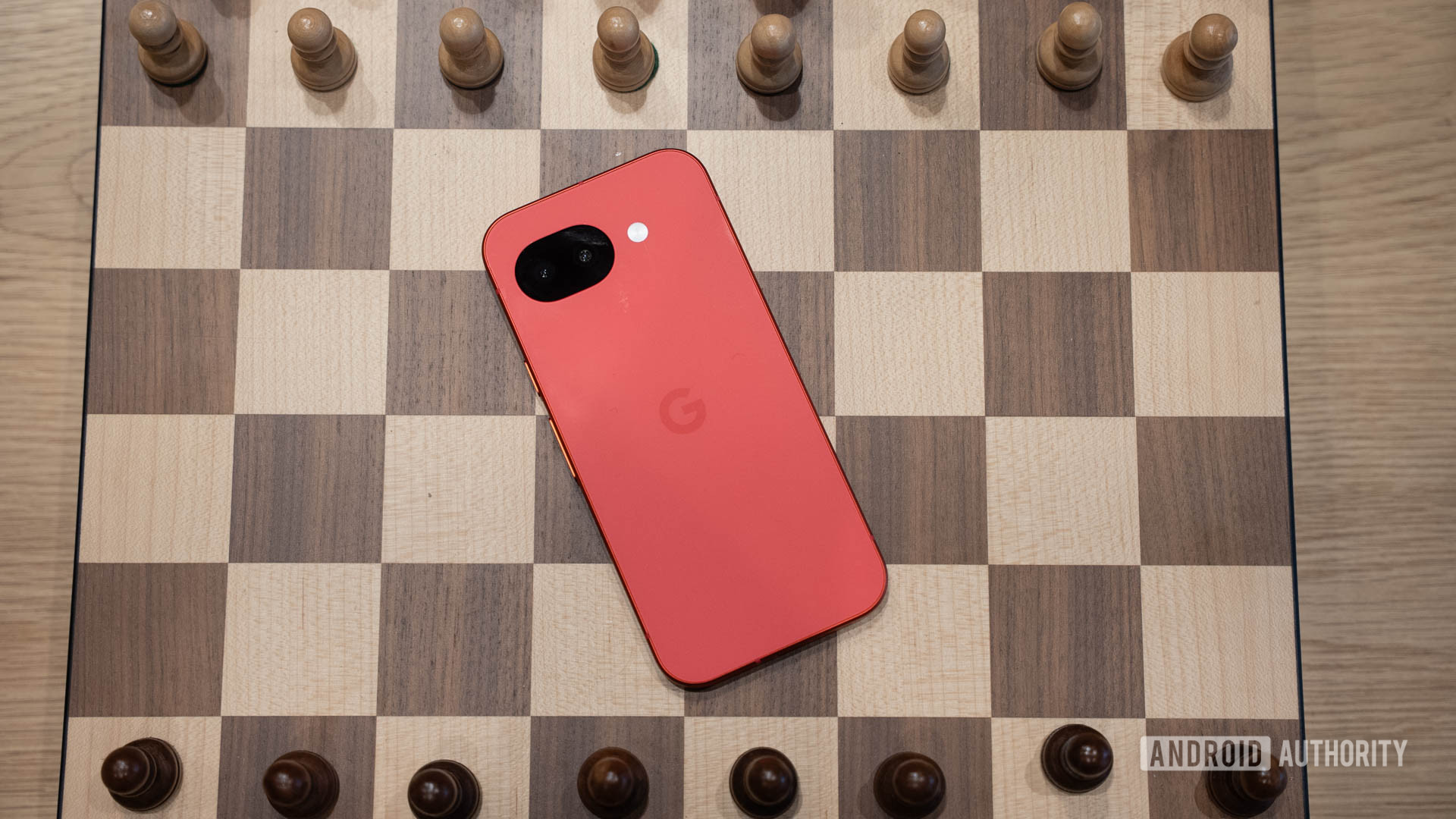
I don’t know about anyone else, but this ever-accelerating smartphone launch calendar has my head spinning. It feels like we’re barely getting a year between devices, and they’re becoming harder and harder to tell apart — look no further than the Pixel 9a Pixel 10a to see what I mean. Google’s most affordable Pixel arrived barely 11 months after its predecessor, and with more in common than ever before.
But, if you’re new to the Pixel family, you might not have known that — or you might not care. You might have finally decided that it’s time to test out the Tensor G4’s processing for yourself and found yourself drawn in by one of the biggest batteries Google has ever used.
No matter the case, you might be looking for a few pointers to get you started with your new phone. Luckily for you, I reviewed the Google Pixel 10a, and I’ve compiled all the tips and tricks I think you might need. Here’s how to power up your Pixel.
Google Pixel 10a tips & tricks
Grab accessories of all shapes and sizes

Ryan Haines / Android Authority
If you’re brand-new to the Pixel family, there’s a good chance you don’t have much of a Google ecosystem built up. Sure, you might have a Nest Hub or a Nest Doorbell, but you probably haven’t bothered with Pixel Buds or a specific Pixel charger. Well, now is the time. Not only does the Pixel 10a bring with it a few new colors of the budget-friendly Pixel Buds 2a, but it also offers a new slate of colorful cases to accessorize with.
More importantly, though, the Pixel 10a charges faster than its predecessor did. While the previous Pixel 9a’s 23W wired charging limit meant you could get away with a decent 25W charger if you had one sitting around, that’s no longer the case. Google’s new mid-ranger bumps charging to 30W, delivering the best speeds with the in-house 45W Power Adapter. You don’t actually need that specific charger — any USB PD PPS brick will do — but that’s your best bet for a clean, Google-designed power source.
Also, it’s important to note that the Google Pixel 10a supports 10W wireless charging, but it’s not compatible with the recent Pixelsnap accessories. You could probably pick up a third-party case that adds magnets, kind of like Samsung requires with its flagships, but otherwise, Google’s older accessories should be just fine.
Clean up the widgets on your home screen

Ryan Haines / Android Authority
We’ve been fans of Google’s light, smooth Pixel UI experience for a long time — it’s pretty much impossible to avoid if you’ve read any of our Pixel content. Its animations are clean, and the widgets are fun, but sometimes they feel like just a little bit too much. You can’t really escape At a Glance, Google’s ever-changing widget of reminders, and the Google Search bar at the bottom feels cluttered with too many buttons and options.
Thankfully, though, you can finally take those widgets into your own hands. You can choose to turn off At a Glance or remove it from your home page, freeing up the top half of your layout. Personally, I’ve found a new reason to keep it around — it finally supports live sports updates — but I can see how you might not want constant calendar and weather reminders the rest of the time. To ditch At a Glance, simply follow these steps:
- Long-press your home page to open the customization menu.
- Open Home settings.
- Tap At a Glance.
- Toggle the Use At a Glance or Show on home screen options.
In a similar vein, you might have noticed the new AI Mode shortcut in the Google Search bar. I’m not the biggest fan of AI Mode just yet, so I’ve decided to swap it out for one of Google’s many other services. You can do the same, or remove the extra button altogether. To do so, long-press the widget and open the settings menu. Then, tap Change shortcut — I have mine set to Song Search — and choose from Google’s 16 available options.
While you’re there, you can also change the color of the Google Search bar to be as vibrant or transparent as you’d like. Personally, I’m going to stick with matching my device theme, but you do you.
Tap into the revamped macro camera experience

Ryan Haines / Android Authority
Moving on, I’ll readily admit that I praised this last year, but if you’re new to the Pixel family, you might not realize it. Google’s Pixel A series has the best software-based macro camera right now, and it’s not even close. Instead of using the smaller, lower-resolution ultrawide camera, this mid-ranger uses the 48MP primary sensor, and it makes a world of difference.
For starters, you can pretty much kiss that classic macro distortion goodbye. Yes, I know some people may have liked that effect — it makes your subject feel even closer — but it was kind of unpredictable and often made focusing harder than it needed to be. In its place, the default 25mm-equivalent focal length feels just right. You still get remarkable magnification, but you end up feeling just a little more in control of your shots.
Oh, and because the 48MP primary sensor supports an optical crop for 2x zoom, you can also do that in macro mode. Essentially, this lets you be a little farther from your subject while still capturing the same close-up details. We could go into more details about what it does to the background thanks to the longer focal length, too, but the important thing is that you just give it a try. Macro mode is enabled by default, so just pull up the camera and get up close and personal with your subject.
Be ready to send a satellite-powered SOS

Ryan Haines / Android Authority
My next Pixel 10a tip is one that I hope you never have to use. New this year is the ability to use Satellite SOS to send messages when mobile networks fail you, as well as the ability to share your location. I want to reiterate, this is just for emergency purposes. Please, please, please don’t run out into the middle of the woods just for a chance to text your friends in a new way. Yes, it’s cool, but no, that’s not what this is for.
How serious is Google about using this for emergencies? Well, step one is to dial 911. If your phone can’t connect, you’ll see the Satellite SOS icon, which will then guide you through a series of steps to describe your emergency and notify your emergency contacts. Once you complete the prompts, your Pixel 10a will guide you through connecting to the satellite, which mostly means carefully pointing it at the sky.
When you do establish a connection, you should be able to message back and forth with emergency services until they can assist you, but keep in mind that you’ll need to maintain the connection for as long as possible. That means keeping your phone steady and avoiding coverings like dense trees and awnings.
Again, it’s great that Google has added this feature to its most affordable Pixel, but seriously, save it for emergencies only.
Save some favorite songs in Now Playing

Ryan Haines / Android Authority
Now Playing isn’t a new feature, either, but it’s still one of our favorites. It’s like Shazam, but you don’t have to ask for it manually each time — it’s great. Yes, that does mean your Pixel 10a will sit and listen for music around you to then identify, but it’s not intrusive, nor does it drain your battery. And if you want to limit how often your phone listens for music, Now Playing is an app now too.
The relatively new feature in Now Playing, however, is the ability to save the songs you hear. Maybe you finally caught the name of an earworm or decided that the tune playing at a coffee shop was perfect for your next Instagram post. Either way, Now Playing’s log of recent songs makes it easy to keep that one around. Once you save a song to Now Playing, you can simply hop into your streaming service of choice, add it to a playlist, and come back for another taste as often as you’d like.
If, by chance, you happen to find a song that’s not in the Now Playing library, you can also try Google’s Sound Search to go beyond the on-device library of songs.
Share context with Gemini Live

Ryan Haines / Android Authority
It’s now been almost two years since Google launched Gemini Live, and I’ll admit I’ve forgotten how to live without the chatbot. It’s become a very easy way to plot out everything from a weekend trip to my next fantasy sports draft, and Google just keeps adding functionality. The Gemini Live experience has grown from simply a new way to talk to your phone and get conversational results (take notes, Siri) to an all-in-one AI assistant experience.
These days, that means being able to share your camera feed with Gemini Live, almost as if you were on FaceTime with the smartest friend you know. You can also share your screen with Gemini to ask about a map you might be looking at or for help identifying the neat shoes an influencer is trying to gatekeep. My tip for the Pixel 10a is to try all the methods and see which you like best. There’s still no Pixel Screenshots app, so sharing your screen with Gemini Live might be as close as you can get.
Also, thanks to the new Gemini widget on your home page, launching into a chat with Gemini Live is literally only one button away.
Test out some of the Pixel 10’s camera features

Ryan Haines / Android Authority
Now that you’re starting to get familiar with Google’s cameras and just what the Tensor G4 chipset can do, it’s time to really flex your photography muscle. Despite not upgrading its mid-ranger with the latest in-house Silicon, Google has brought over some of the Pixel 10 series’ cooler camera features.
The first of those — and the more hands-on of the two — is the Camera Coach. If you still consider yourself a fledgling mobile photographer and want to improve, this is your ticket. Essentially, the Camera Coach analyzes what your camera sees and provides tips to improve your composition. It won’t completely change your photo, but it will suggest everything from zooming in to trying portrait mode before you press the shutter.
Personally, I like the guidance, though I’d love to see Google take its composition suggestions a little further with techniques like the rule of thirds and the golden ratio.
Another camera feature you should check out is Auto Best Take. There’s not much to do this time around — it has “auto” in the name — but it’s good to know what you’re getting into. Previously, if you snapped a bunch of photos of the same group of people, Google would let you swap faces in and out to catch everyone smiling or with their eyes open. Now, the Pixel 10a does that automatically. So, my advice would be to take that extra photo or two; you never know which one will come in handy.
Give your photos new life with Help Me Edit

Ryan Haines / Android Authority
Once you’ve finished exploring Google’s new camera tricks, it’s time to clean up your shots. You might already have some familiarity with the Magic Editor from previous Pixel series, but the Pixel 10 raised it to a new level with Help Me Edit. This tool lives in Google Photos and pretty much lets your Pixel handle all the editing for you.
Alright, well, maybe not all of the editing — you still have to ask for what you want. To do so, pick your photo in Google Photos, tap the Edit button, and open the text box labeled Help Me Edit. Once open, simply type in the changes you’d like to see Google make, and wait for your results. I’ve previously tried the feature on Google’s Pixel 10 Pro XL, and I can happily report that it’s just about the same here. It might take a second or two longer, but you can still reimagine the colors and sizes of objects, or even add new elements to your photos.
Just keep in mind that Google’s algorithm isn’t perfect. The more detailed you can be with your prompt, the better. You might still find that some of the edits are too subtle to notice, in which case you’ll have to head back to the drawing board. As you experiment, though, you’ll slowly figure out what works best and how to make your edits look more natural.
Don’t forget to check the weather

Ryan Haines / Android Authority
Up next, although Google is making some pretty big changes to the overall Android weather experience, the current Pixel Weather app remains untouched. That’s good news, because it’s one of the most customizable weather apps around. Sure, we still miss the cute creativity of the frog in its little raincoat, but we like what Google has done with cards that you can drag and drop in your preferred order.
What you really need to check out on the Pixel 10a, however, is Google’s personalized AI forecasts. Honestly, to call them AI forecasts feels like slightly overselling things — they’re just customized tips based on your current weather. Either way, it’s nice to have a little more insight into how you can spend your day, from a reminder to pack a heavier jacket to a quick refresher on just how cold is cold.
Also, because Pixel Weather uses Gemini Nano for its AI summaries, everything runs on-device so that you can get your forecast even without an internet connection — keep in mind that only your summary will update, not the weather itself.
Try Quick Share with your iPhone-loving friends

Ryan Haines / Android Authority
Last, but certainly not least, it’s time to open up this Pixel party to your friends on the iOS side of the aisle. Once you’ve taken, edited, and reimagined all of your photos above, you can try Google’s very own version of AirDrop, and this time it actually works with, well, AirDrop. Honestly, the process couldn’t be any simpler, and it’s a good stand-in for the rare times you might run into someone who stubbornly refuses to use RCS to send pictures and videos. Here’s how to send photos to your friends via Quick Share:
- Open the notification shade at the top of your Pixel 10a.
- Tap on the Quick Share card.
- Choose to either send or receive images.
- If sending, tap on the device you want to share with.
One quick note — your iPhone-toting pals will have to make sure their AirDrop settings are adjusted to receive from everyone rather than only contacts. After you’ve sent and received, you (and they) can hop back into whatever privacy mode you’d like, but you need to make things accessible to go cross-platform.
And there you go, that’s everything I’ve picked up during my first few weeks with the Pixel 10a. Some tips will be familiar to longtime Pixel users, but there’s enough good stuff in here to make Google’s latest mid-range offering feel fresh. And, if you still need to pick up a new Pixel, you can do that at the widget below.
Gemini features • Solid mid-tier offering • Great software support promise
Google’s best AI features, in a more affordable mid-tier device
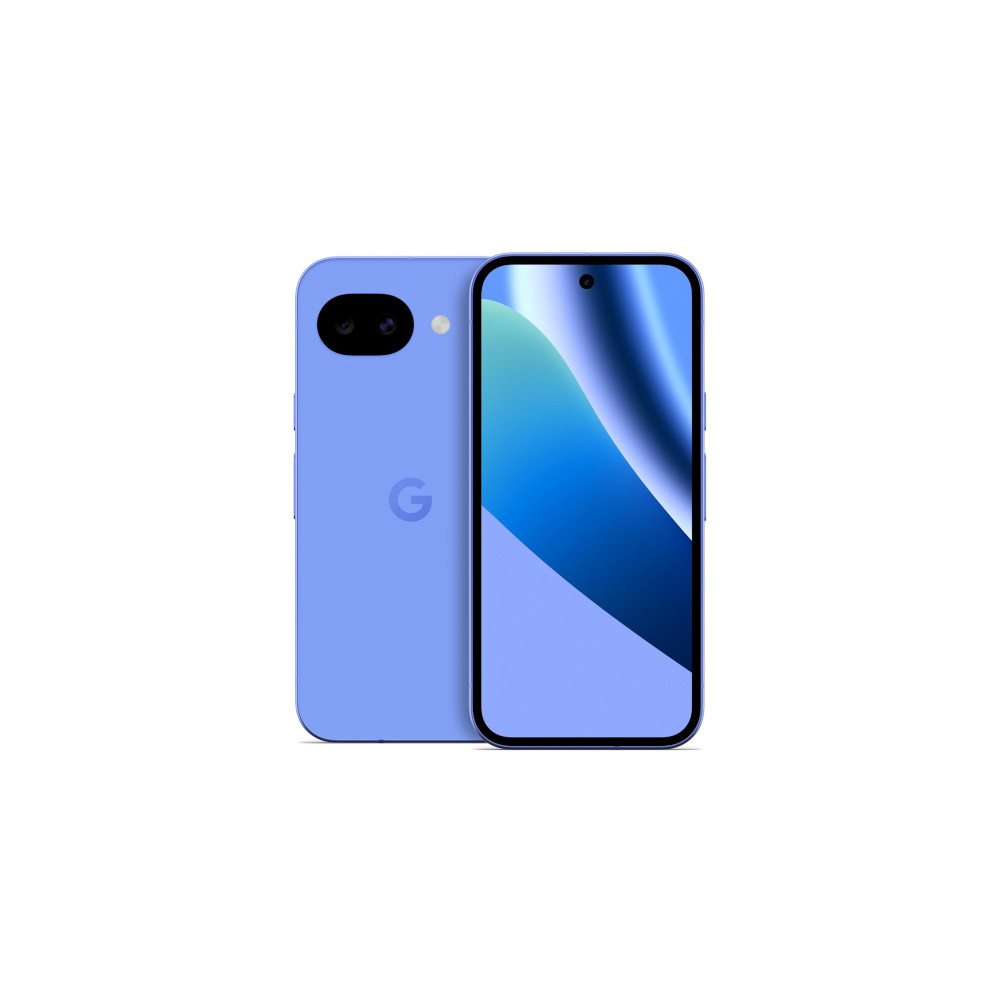
Google Pixel 10a is a refined mid-range phone built around Tensor G4, a brighter 120Hz 6.3-inch display, tougher Gorilla Glass 7i, satellite SOS, and trickled-down Pixel AI features — paired with a reliable dual-camera system, 30W charging, and seven years of updates.
Thank you for being part of our community. Read our Comment Policy before posting.