The U.S. derivatives regulator is preparing new guidance and a formal rulemaking process for prediction markets, as the debate over whether such platforms resemble financial exchanges or gambling continues to escalate.
Speaking at a Milken Institute event, Mike Selig, chairman of the U.S. Commodity Futures Trading Commission (CFTC), said the agency plans to clarify through new guidance which contract types of prediction markets can be listed on federally regulated exchanges and how those products should be evaluated.
“And so we’ve continued to monitor and regulate these markets,” Selig said. “They’re treated just like any other futures exchange, where we have clearing, we have certain risk controls, there’s advertising and marketing requirements on the brokers.”
He added that the agency will soon publish new guidance and begin a formal rulemaking process.
“We are going out with guidance in the very near future, so please stay tuned,” Selig said. “We’re going to be setting very clear standards as to what can be self-certified in our markets and what cannot, and how to evaluate the different products that are offered in the space. We are also planning to go forward with an advance notice of proposed rulemaking in the near future that will set the stage for more fulsome rulemaking.”
CFTC to issue new guidance over prediction markets
Prediction platforms allow traders to buy and sell contracts linked to specific outcomes – everything from political races to inflation figures to geopolitical developments. Because they operate under federal derivatives law, they fall under the CFTC’s supervision, not state gaming commissions.
Selig argued that these platforms operate under stricter regulatory oversight than traditional casinos.
“So this is a very fulsome regime,” he said, comparing the system to pharmaceutical regulation. “You’ve got a federal pharmaceutical regime that’s got very stringent requirements, and then you’ve got supplements that can be offered in many different ways and don’t have the same sorts of regulatory requirements and overlay.”
In his view, federally supervised exchanges operate in a distinct lane from state-licensed casinos and sportsbooks.
“We’ve got state gambling and gaming rules and regulations and licenses, and they’re able to offer a certain product, they’re able to serve a bunch of alcohol for free to people and let them bet on sports,” he said. “Our products are very much heavily regulated and have stringent requirements. It’s a different regime; they can exist in parallel.”
The comments suggest the CFTC believes federal derivatives oversight can coexist with state-regulated gambling frameworks, even as state regulators challenge prediction markets in court.
Growing legal conflict with states
The friction between Washington and the states has intensified over the past several months. A number of state regulators have moved to restrict or block prediction market operators from offering contracts within their borders, especially those tied to sports outcomes.
In response, the CFTC has stepped in to defend what it calls its turf.
The agency recently filed a legal brief defending its authority over event contracts, arguing that state regulators cannot override federal derivatives law when the contracts are listed on federally regulated exchanges.
“We certainly don’t go into casinos to evaluate whether they’re offering legal over-the-counter swaps,” Selig said. “But we make sure that we assert our authority where it makes sense and where we see states getting a little ahead of themselves.”
Industry observers say the forthcoming rulemaking could reshape the legal battle.
Former CFTC Special Counsel Rob Schwartz said the agency appears poised to clarify how event contracts fall within its jurisdiction.
“The real headline: the CFTC is planning to release very soon an Advanced Notice of Proposed Rulemaking on event contracts,” Schwartz wrote on X. “We know a lot now about how the Commission views its jurisdiction, and very little about what additional regulation is under consideration.”
Critics warn of federal overreach
Opponents of prediction markets, particularly casino operators and state gaming regulators, argue the platforms amount to unlicensed gambling.
Former Attorney General of New Jersey, Matt Platkin, criticized Selig’s stance on social media, writing that the chairman “sounds more like counsel for the industry than a regulator.”
Legal experts say the rulemaking could trigger further court challenges.
Attorney Daniel Wallach said the move may create a new litigation front between federal regulators and states.
“This will open a new litigation front — federal court APA challenges by states and tribes asserting that the CFTC acted arbitrarily, capriciously and in excess of its statutory authority when it issued regulations for activity (i.e., sports gambling) never authorized by Congress,” Wallach wrote.
Lawmakers have also begun weighing in. Some members of Congress have pressed the CFTC to rein in contracts they consider controversial or socially sensitive. Meanwhile, the gambling industry is lobbying for legislation that would curb prediction markets offering sports-related products.
Why the CFTC says prediction markets matter
Selig has also made the case that prediction markets serve a wider public purpose.
“We’ve seen the disinformation, the hoaxes, the fake news and all of the ability of certain individuals to control gatekeepers and make sure that the polls say what they want them to say right before an election,” he said. “But the prediction markets tend to get it right.”
He also argued that pushing such markets out of the United States could weaken transparency.
“I would have less confidence if they were the center of prediction markets were in China or Russia or somewhere else,” Selig said. “I think it should be here in the United States.”
Drawing a parallel to digital assets, he warned that heavy-handed restrictions could drive activity offshore, where oversight is weaker and transparency thinner.
“The more we try to block these markets, we saw it with crypto; it just goes offshore,” he said. “So my view on this stuff is that we’ve got to set the right rules and regulations for it here in the United States, or otherwise we’re just going to have black markets offshore.”
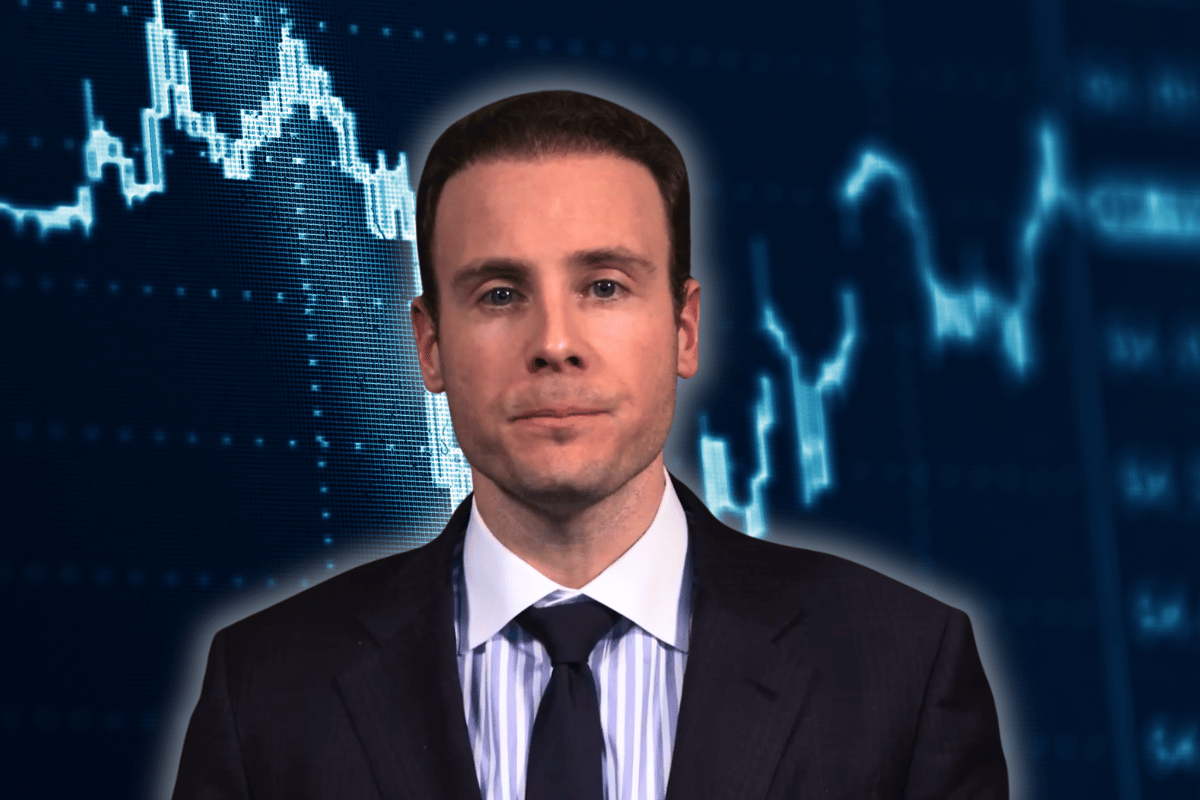
Featured image: Mike Selig via X / Canva