There was a point where Google could, seemingly, do no wrong. It did surprising things, and it would often launch products carefully. Take the launch of Gmail, which came into existence as a beta product on April 1, 2004.
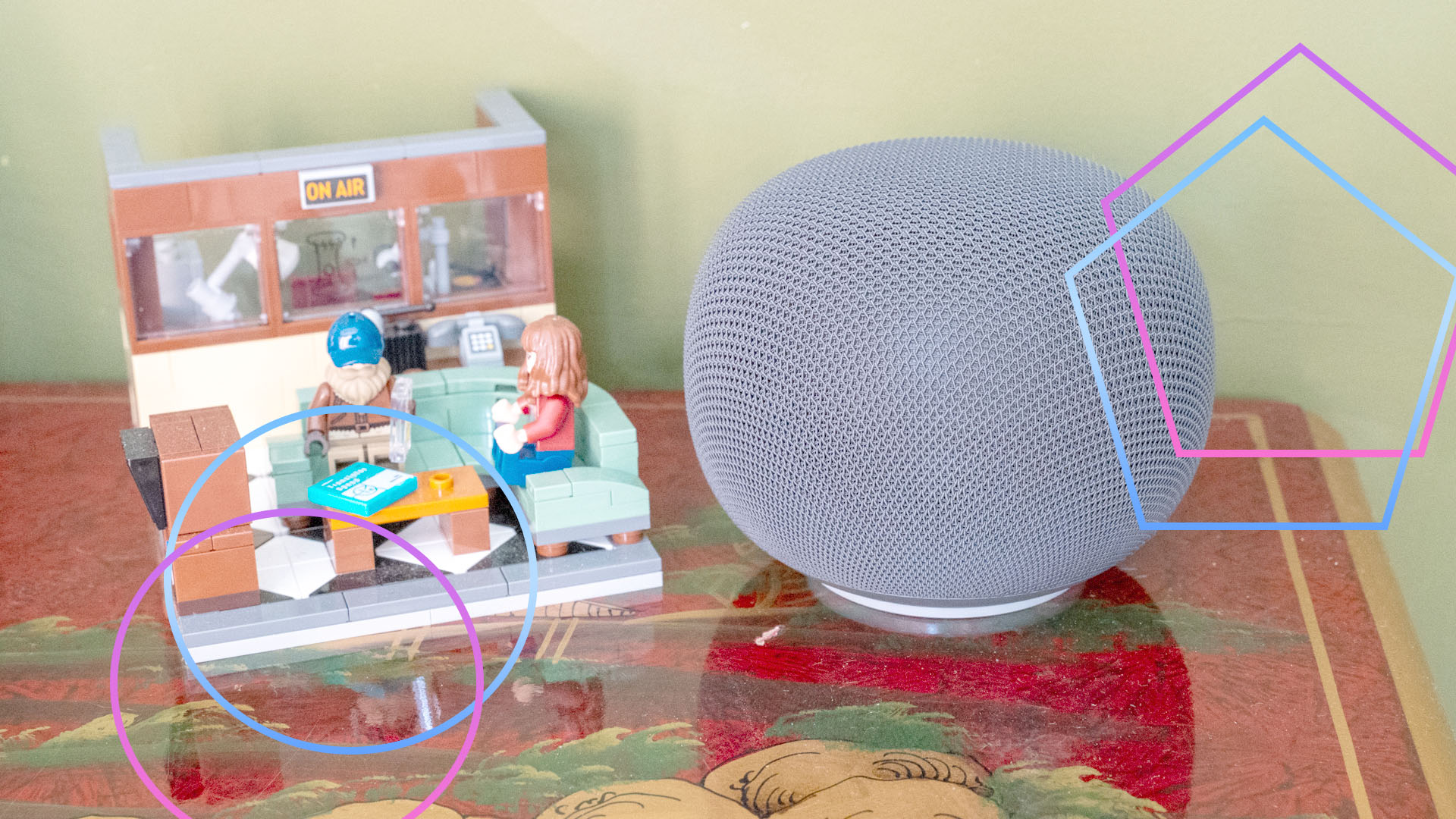
It remained a beta service until July 7 2009, even though it was much better than that status suggested and quite possibly the best email service available. How things have changed, as the launch of the Google Home Speaker has demonstrated.
In my review, I like the hardware, but its voice assistant, Gemini For Home, is bad beyond belief in so many ways, and the service is so sluggish. On the /rgooglehome Reddit, there have been a lot of complaints about how slow the speaker is to respond to even simple things.
Google even commented: “We’re aware of an issue causing increased latency or timing out. We are working on a fix ASAP and will circle back once this is resolved. Thanks for your patience.”
It’s nice to know that something is being done about one issue, but the speaker and Gemini for Home have other, bigger issues. I documented some of the problems I’ve had with Gemini for Home already, but here’s what I think Google needs to do if it’s to be taken seriously in the smart home space.
Properly test
I’ve run into lots of problems with Gemini for Home. It gets information wrong, it misunderstands what’s been asked of it, or it says plain crazy things back. It seems almost unbelievable that it has been rolled out in this state.
In fact, it feels very much like Google was worried about the onslaught of alternative AI systems, including Alexa+ and ChatGPT, and rushed out its own LLM-based voice assistant too quickly.
A few of the issues I encountered are right there at the start, so why are they there? Someone at Google Home needs to get a grip on quality control fast.
Improve regionalisation
One of the first things that Gemini for Home suggested was to set my thermostat to 72°C. I didn’t, because that’s a wild temperature in Celsius; it makes a lot more sense if you use Fahrenheit, but that’s a very US way of looking at things.
Gemini for Home knows where I’m located, and the speaker is located, so it should know which units make sense. If it doesn’t, it’s a failure of the testing process.
When Amazon launched Alexa+ in the UK, it went through a big job getting the regionalisation right, even getting the smart assistant to recognise and understand the UK’s diverse range of regional accents.
Google Gemini for Home needs the same process, so that it can understand and speak in a way that makes sense in this (and other) countries.
Add features
Want to create a routine with your voice using the Google Home Speaker? Tough, you can’t. You can use Gemini in the app, but you can’t create an automation using your voice.
How about sending a PDF to Gemini, getting it to read the contents and then sort out things like schedules, or simply remember an instruction PDF (appliance, board game, whatever) so that you can query it later? Tough, you can’t. The best you can do, according to Gemini’s own response, is to read the PDF aloud to the smart assistant. No, thanks.
How about booking a table at a restaurant? Nope, not yet.
What about getting Gemini to remember details about you, such as who’s a vegetarian in your family or which football team you support? Yes, you can do that. Only, Gemini seems to forget to use any of this information after a period of time, until you remind it.
There’s so much more that Gemini should be able to do, and Google needs to ramp up the features, and make sure that they work.
Make the app better
The day I moved away from Google speakers and the Google Home app was the day I reviewed new Nest cameras and wasn’t allowed to use the Nest app. The Nest app was clean, functional and perfect for cameras.
The Google Home app is worse. I get why Google would want everything in one place, but why make the experience worse? If you want a good example of how everything can be included in one app, then the Apple Home app is excellent, as is the Homey app.
While the Alexa app is a bit clunky, the good news is that when Amazon bought Ring (or Blink), it didn’t ruin its acquisitions and allowed the companies to continue doing what they do well, and improve their apps. The Ring app today is better than it was a few years ago, and Amazon has just built on that with tight Alexa+ integration, without compromising the experience.