Cappadocia is one of those destinations where the landscape does most of the talking — volcanic tuff carved into towers and valleys over millennia, cave dwellings that housed entire communities, and underground cities that go eight levels deep. The question isn’t whether it’s worth visiting. It’s how to spend your time there.
This guide breaks down the main Cappadocia day tours — balloon flights, the Red and Green historical tours, adventure tours, and specialized experiences — so you can match what’s on offer to what you actually want from the trip.
Cappadocia Day Tours: Which Version is For You?
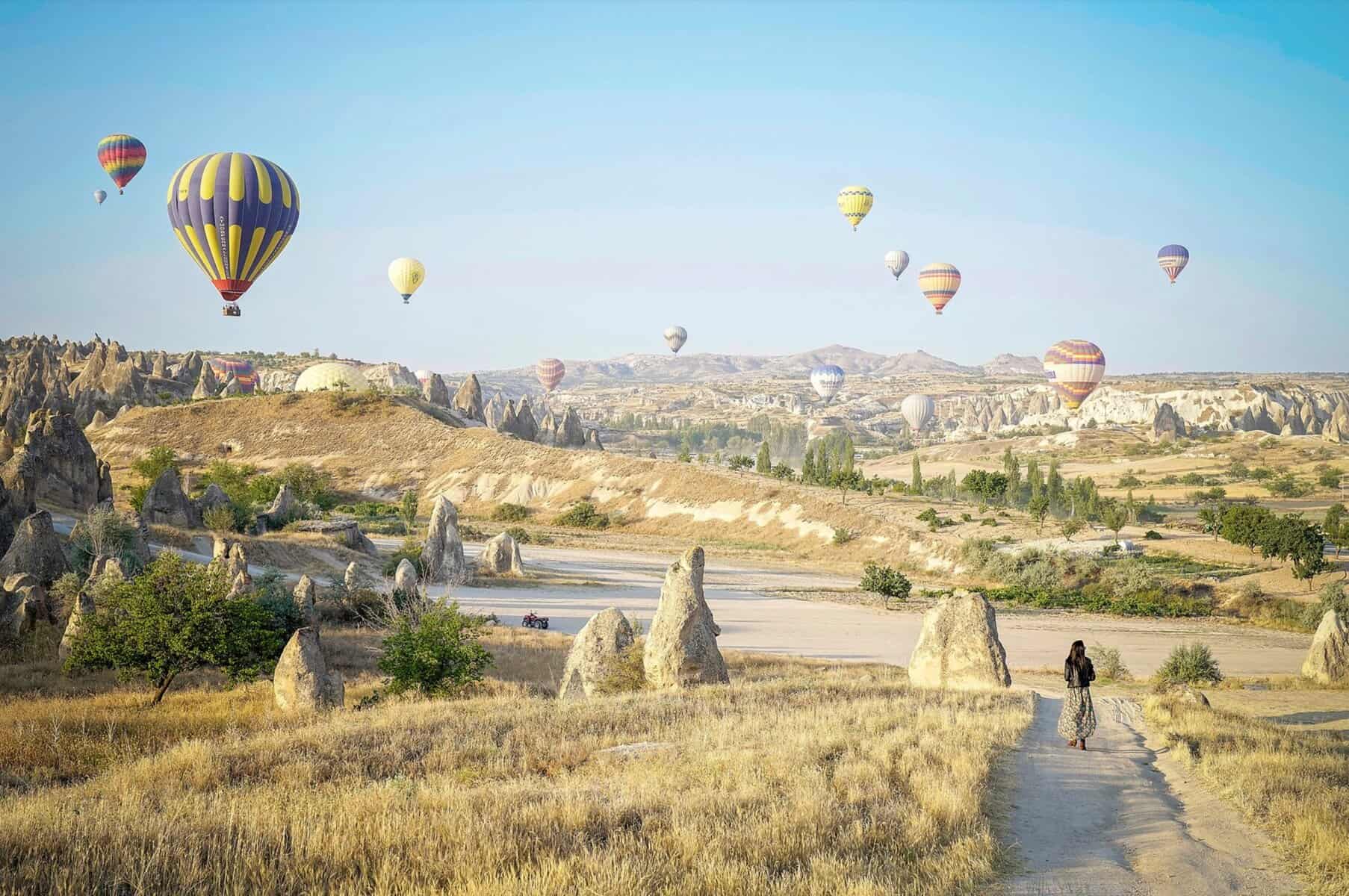
The Sunrise Hot Air Balloon Flight
Balloon flights run daily from roughly April through October, weather permitting. Pickup is around 5:00 AM; you’re back at your hotel by 7:30 AM, leaving the rest of the day free.
The flight itself lasts approximately one hour. You’ll drift over Pigeon Valley, Love Valley, and the fairy chimney formations at Pasabag — terrain that reads very differently from 1,000 meters than it does on foot. The silence is notable: no engine, just the occasional burst of the burner and the sound of wind. After landing, operators typically serve a champagne toast (juice available for non-drinkers).
What’s usually included: Hotel transfers, light breakfast at the launch site, flight with a licensed pilot, insurance, and the post-landing toast.
Book well ahead during peak season (April–October). Flights fill weeks out, and weather cancellations are common — confirm your operator’s rebooking policy before paying.
What to wear: Layers. Dawn at altitude is cold regardless of the season. Closed-toe shoes and nothing that could catch in equipment.
The Red Tour: Northern Cappadocia
The Red Tour covers the northern region in a full day, typically running 9:30 AM to around 5:00 PM. It’s the most common starting point for first-time visitors because it hits the highest density of historically significant sites.
Goreme Panoramic Viewpoint is usually the first stop — useful orientation before the day gets specific. From here you can see the scope of the valley system and the cave dwellings carved directly into the rock faces.
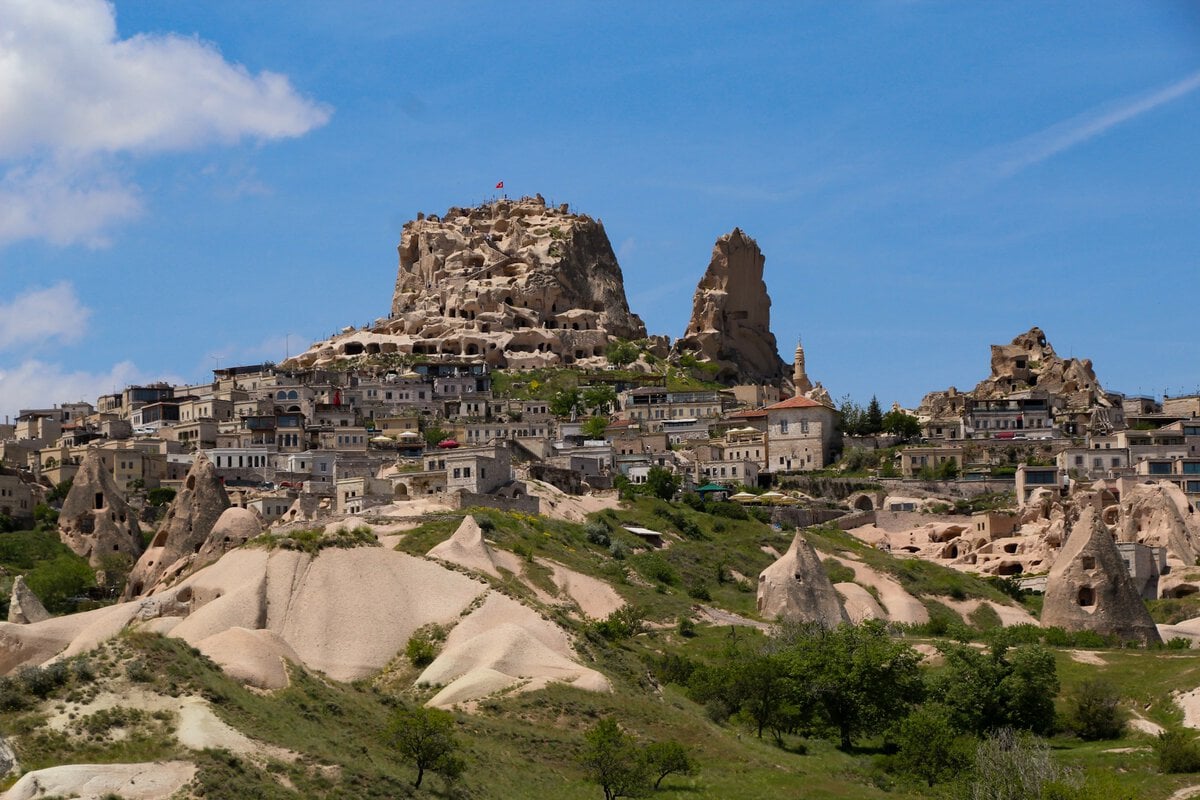
Uchisar Castle is the region’s highest point: a massive tuff formation riddled with tunnels and rooms that served as both fortress and residence for centuries. The climb to the top is steep but short, and the 360-degree views are worth the effort.
Pasabag (Monks Valley) is where early Christian hermits established their cells in the three-headed fairy chimneys — formations that are striking even by Cappadocia’s standards. The valley has a contemplative quality; it’s less trafficked than the main museum sites.
Avanos pottery workshop — artisans here work with techniques that have been in continuous use for roughly 4,000 years. Most workshops let you try the wheel, which is more difficult than it looks.
Zelve Open Air Museum — a complex of cave churches, dwellings, and monasteries. The frescoes are partially preserved, and the architecture shows how communities adapted the rock to suit both daily life and religious practice across different periods.
The day typically ends with Imagination Valley and Love Valley — good light for photography in the late afternoon.
What’s usually included: Hotel transfers, professional guide, museum entrance fees, traditional lunch, water.
Practical notes: Significant walking and climbing throughout. Comfortable shoes with grip are essential. The pace is moderate but cumulative — by the end of the day you’ll have covered a lot of ground.
The Green Tour: Underground Cities and the Southern Region
The Green Tour takes you beneath the surface and into the less-visited southern part of Cappadocia. It’s quieter than the Red Tour and physically more varied — part underground exploration, part canyon hike.
- Kaymakli Underground City is the main draw. Eight levels carved into volcanic rock served as refuge and settlement, with ventilation shafts, water systems, stables, wine cellars, and churches. Your guide walks you through the engineering logic — how thousands of people could live underground for extended periods. The passages are low and narrow in places; if you’re claustrophobic, flag this before booking.
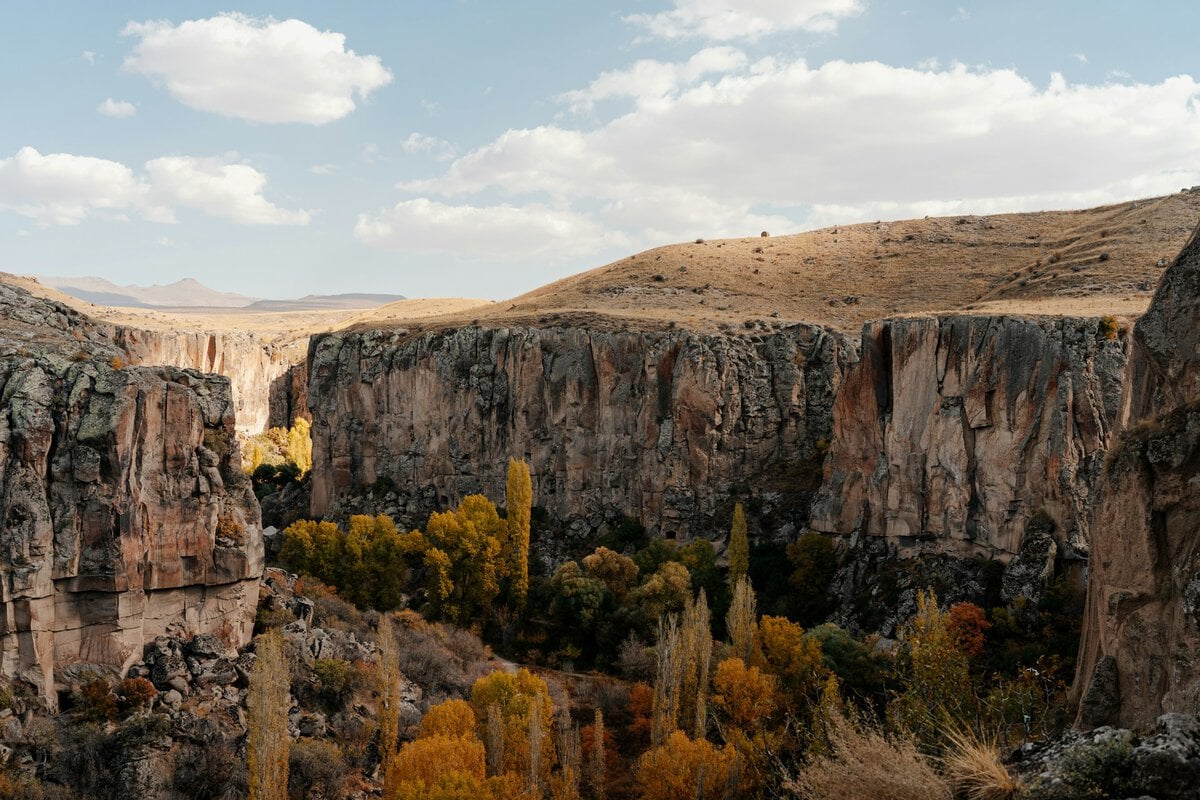
- Ihlara Valley hike — a 3–4 km descent into a narrow canyon with a river at its base. The walls are sandstone-colored; the floor is genuinely green, a contrast to the arid upper landscape. Ancient cave churches are carved into the canyon walls at intervals. The hike is easy to moderate and takes around an hour. Lunch is served at a riverside restaurant inside the valley.
- Selime Monastery — carved into a rock face with multiple levels, positioned to overlook the valley for both strategic and spiritual purposes. It’s the largest rock-carved monastery in Cappadocia, and it’s less crowded than the northern sites.
- Pigeon Valley is usually the final stop — hundreds of pigeon houses carved into cliff faces, historically important as a source of food and fertilizer for the settlements. The valley is scenic and a good place to end the day at a pace.
- What’s usually included: Hotel transfers, underground city and valley entrance fees, professional guide, lunch in Ihlara Valley.
- Practical notes: Wear hiking boots, not casual sneakers — the terrain in both the underground city and the canyon is uneven. The underground sections involve low ceilings and some climbing. Come prepared with adequate water beyond what’s provided.
Adventure Tours: ATV, Jeep, and Horseback
These tours are designed for accessing areas that standard buses can’t reach — remote valleys, narrow canyon tracks, viewpoints that don’t appear on typical itineraries.
ATV quad bike tours run 2–4 hours. You navigate your own vehicle through rocky trails and into less-visited sections of the landscape, including Devrent Valley (known for rock formations in distinctive shapes) and hidden canyon viewpoints. A guide leads; you follow at your own pace within the group. Helmets are mandatory.
Jeep safari tours cover similar terrain with you as a passenger. Better for mixed-ability groups or anyone who’d rather not operate a vehicle on uneven ground.
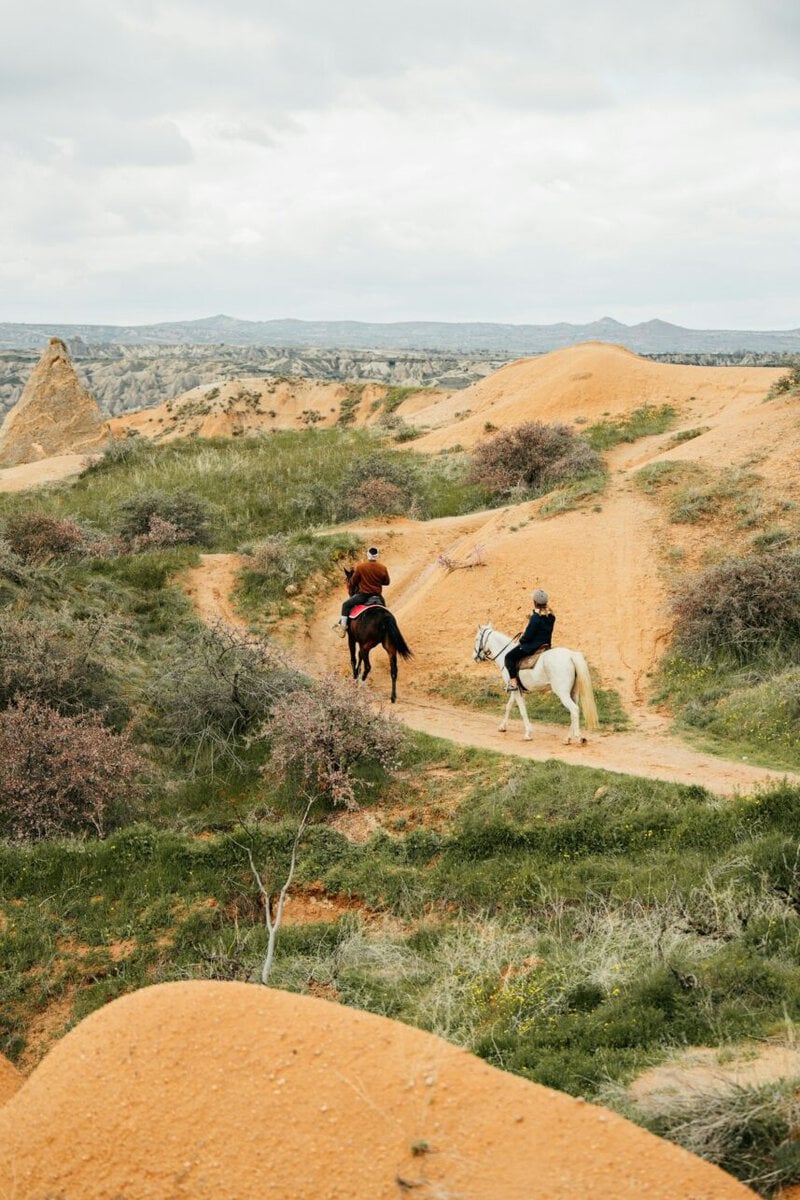
Horseback and camel riding move at a different speed entirely. Horseback tours through Love Valley or along a ridge at sunset are unhurried — a pace that lets you notice details a faster experience would skip. Camel rides are more unusual and suit travelers who want something they haven’t done before.
Practical notes for all adventure tours: Closed-toe shoes and clothes that can get dirty. Be accurate about your experience level when booking — operators offer different difficulty tiers. Arrive rested; these tours are physically demanding.
Specialized Tours: Photography, Sunset, and Cultural Experiences
Photography tours position you at Red Valley, Rose Valley, and Goreme Sunset Point during optimal light — sunrise and golden hour. The difference from standard tours is time: you’re not rushing between sites. Guides typically offer advice on composition and positioning, useful whether you’re working with a professional camera or a phone.
Sunset picnic tours are straightforward: a scenic viewpoint, food and drink, and time to watch the light change without a schedule. They work well for anyone who wants to slow down after a full day of touring.
Whirling Dervish and Turkish evening performances run in the evening and pair Sufi ceremony with Turkish cultural programming, sometimes with dinner. They sit outside the typical day-tour format but are worth including in a multi-day itinerary for the cultural context they provide.
Related read: 1-Day Cappadocia Tour From Istanbul
Planning Notes
When to visit: Spring (April–May) and autumn (September–October) offer the best combination of weather and manageable crowd levels. Summer runs hot and busy; balloon flights operate daily but tours fill faster. Winter is quieter, occasionally snowy, and some higher-altitude activities may be weather-dependent.
How long you need: Two to three days gives you time for a balloon flight plus at least one full-day historical tour and one additional experience. A one-day visit forces trade-offs.
Logistics: Most tours include hotel pickup and drop-off. Book balloon flights and popular day tours several weeks ahead in peak season. Check cancellation policies before paying — weather affects schedules and a flexible rebooking policy matters.
Common multi-day sequence: Day 1 — sunrise balloon flight; Day 2 — Red Tour; Day 3 — Green Tour or an adventure option. This covers the main categories without overlap and allows physical recovery between more active days.
Related read: Cappadocia on a Budget – It’s Possible!
Frequently Asked Questions
How far in advance should I book a hot air balloon flight in Cappadocia?
During peak season (April–October), book at least two to three weeks ahead — popular slots fill quickly and weather cancellations mean rescheduling pressure. Outside peak season, a few days’ notice is usually sufficient, but confirming in advance is still advisable given how central the balloon flight is to most itineraries.
Is the Ihlara Valley hike on the Green Tour suitable for older travelers or those with limited mobility?
The hike is 3–4 km on a relatively flat canyon floor, rated easy to moderate. Most reasonably fit travelers manage it without difficulty. The descent into the canyon involves stairs that may be challenging for people with knee or hip issues. The underground city sections at Kaymakli also involve low ceilings and stooping — worth flagging to your operator before booking if mobility is a concern.
Can I do both the Red and Green tours in one day?
Technically possible but not advisable. Each tour runs a full day (roughly 9:30 AM to 5:00 PM) and covers significant walking distance. Combining them produces a rushed, exhausting experience with diminishing returns. Two separate days gives each tour the time it warrants.
What’s the weather like for early morning balloon flights?
Dawn in Cappadocia is cold regardless of season — temperatures at launch can be 10–15°C cooler than the afternoon, and altitude adds to this. Dress in layers you can remove as the day warms. Rain or strong winds will ground flights; operators typically notify you the evening before if conditions look marginal.
Are the underground cities accessible for people with claustrophobia?
Kaymakli Underground City involves narrow, low-ceilinged passages — some sections require crouching. People with moderate claustrophobia often find it manageable with a guide present, but those with severe claustrophobia should skip it or discuss the layout with the operator beforehand. The outdoor sections of the Green Tour (Ihlara Valley, Selime Monastery, Pigeon Valley) are fully open-air and unaffected.
What’s the difference between the Red and Green tours — which should I do first?
The Red Tour covers the northern region with more iconic surface landmarks (Uchisar Castle, Pasabag, Zelve). The Green Tour goes underground and into the quieter southern valleys. Most first-time visitors do the Red Tour first for orientation, then the Green Tour for depth. Either order works; they don’t overlap.