While neighboring towns chase luxury, Fuengirola offers a slower, beautifully lived-in side of the Costa del Sol where you can genuinely immerse yourself in authentic Spanish daily life. In our years of guiding visitors through this working coastal town, we’ve watched travelers discover something rare: a place where you can have both Mediterranean beauty and genuine Spanish neighborhood culture without the resort veneer.
Most travel articles dismiss Fuengirola as outdated package tourism, completely missing its heart. What they don’t see is the thriving blue-collar Spanish town underneath—where three generations gather in residential plazas, where handwritten chalk menus outnumber tourist-translated ones, and where the rhythm of daily life moves to an unhurried coastal tempo that feels increasingly rare along Spain‘s developed coast.
Here’s our guide on things to do when visiting Fuengirola to embrace the slower Spanish life.
Finding Your Rhythm in Plaza de la Constitución
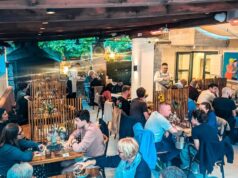
Your days here begin not with alarm clocks, but with the natural awakening of Spanish community life. Plaza de la Constitución serves as the town’s living room, where elderly locals claim their favorite benches under the trees by eight in the morning. The air carries the rich aroma of espresso and fresh churros from surrounding cafés.
We tell our guests to resist the urge to plan their first morning. Instead, find a café table facing the square and practice the Spanish concept of no tener prisa—having no rush. Watch the plaza transform from quiet morning refuge to animated social hub as neighbors catch up, children weave between benches, and shopkeepers begin their daily routines.
The square reveals Fuengirola’s authentic character in small moments: the way café owners know their regulars’ orders by heart, how conversations flow seamlessly between tables, and the unhurried pace that governs everything from coffee service to evening strolls. This isn’t performance for tourists—it’s simply how life unfolds when a community has deep roots.
Walking the Paseo Marítimo Without Destination
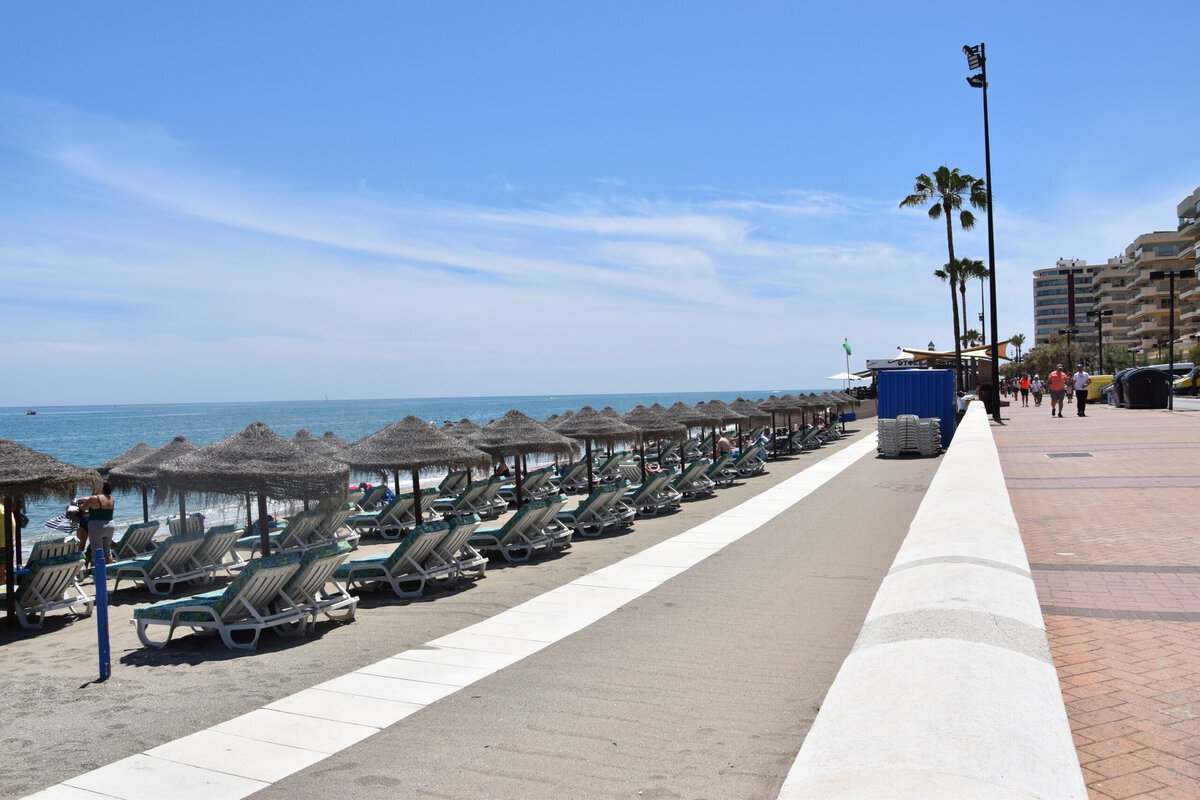
The massive beach promenade stretches for miles, but we encourage travelers to approach it differently from typical tourist walks. Rather than rushing toward landmarks, let the Mediterranean breeze guide your pace. Early morning reveals fishermen sorting their nets, their practiced movements connecting you to centuries of maritime tradition.
As the day progresses, families claim their spots on the sand with colorful umbrellas, creating a patchwork of temporary neighborhoods. The promenade becomes a social artery where locals walk their dogs, teenagers gather in groups, and elderly couples take their evening constitutionals.
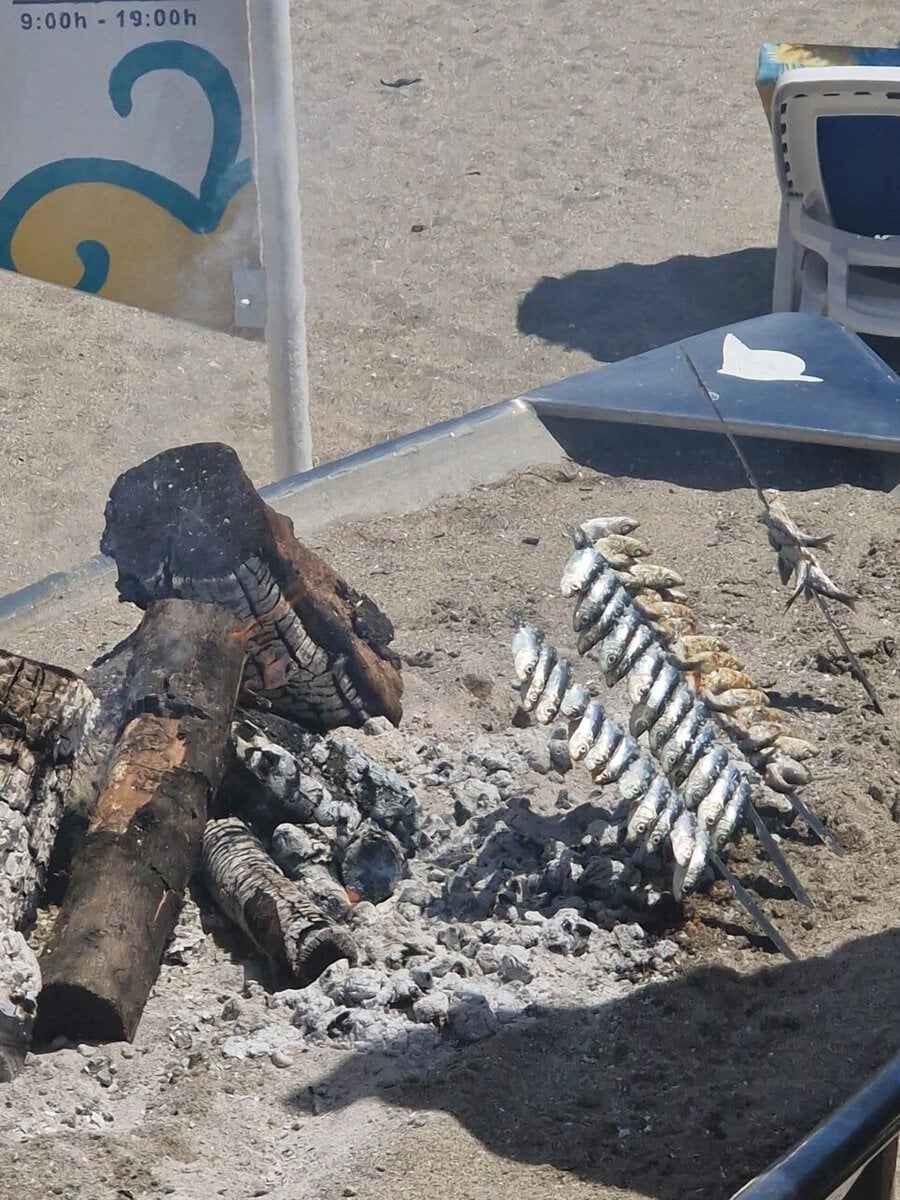
Juan, a second-generation espetero who has grilled sardines over olive-wood fires for thirty years, works from an old fishing boat turned beachside restaurant. His grease-stained apron and warm smile communicate more about Andalusian coastal heritage than any museum display. Watching him flip skewers with practiced precision connects you instantly to old-school fishing traditions that continue alongside modern beach life.
The sensory experience deepens as afternoon approaches: the crisp, salty tang of sea air mingles with the irresistible aroma of espetos roasting over open fires, while the steady rhythm of Mediterranean waves provides a constant backdrop to animated Spanish conversations from nearby chiringuitos.
Getting Lost in Los Boliches
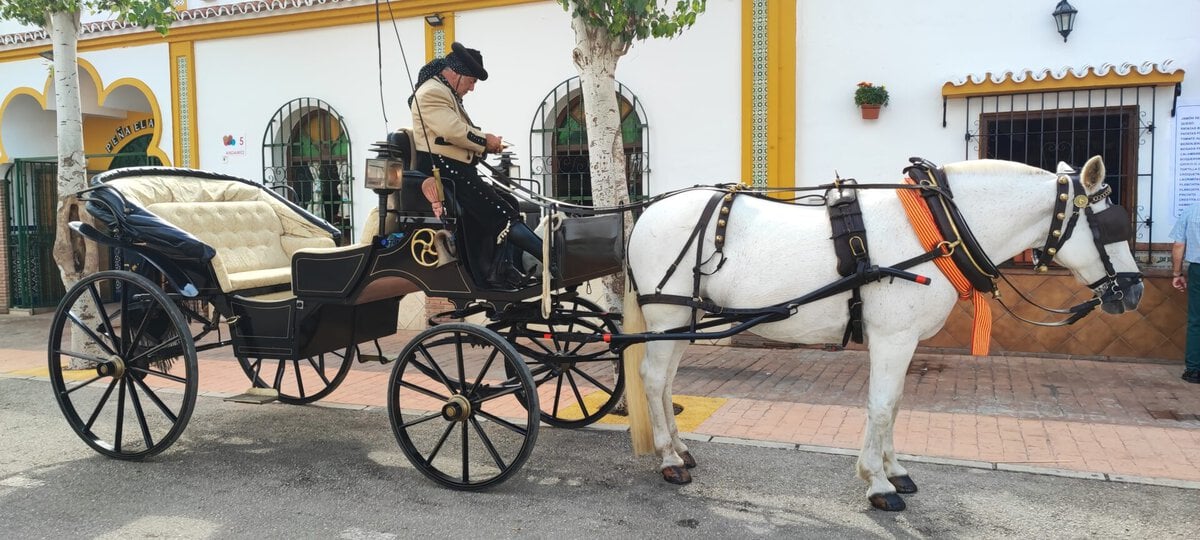
The narrow, labyrinthine alleys of Los Boliches offer Fuengirola’s most authentic neighborhood experience. Here, white and yellow buildings line streets barely wide enough for cars, with laundry swaying gently from iron balconies and jasmine vines climbing sun-warmed walls.
In these residential backstreets, you’ll discover tiny family-run freidurías where pointing at the counter works better than any English menu. We’ve watched countless travelers have their breakthrough moment at simple plastic sidewalk tables, surrounded by local families shouting over football matches, realizing they haven’t encountered another tourist in hours.
The neighborhood reveals itself in layers: morning brings the smell of freshly fried churros wafting from corner shops, afternoon carries the aroma of garlic and olive oil from hidden tabernas, and evening transforms quiet plazas into impromptu social gatherings. Because you have no fixed itinerary, you’ll stumble upon spontaneous neighborhood celebrations or local verbenas—street parties that appear as if by magic, complete with acoustic flamenco guitars and locals of all ages dancing together.
These moments of authentic cultural immersion happen precisely because they’re not marketed or packaged. They emerge from the natural rhythm of Spanish community life that continues regardless of tourism.
Sunset Rituals at Sohail Castle
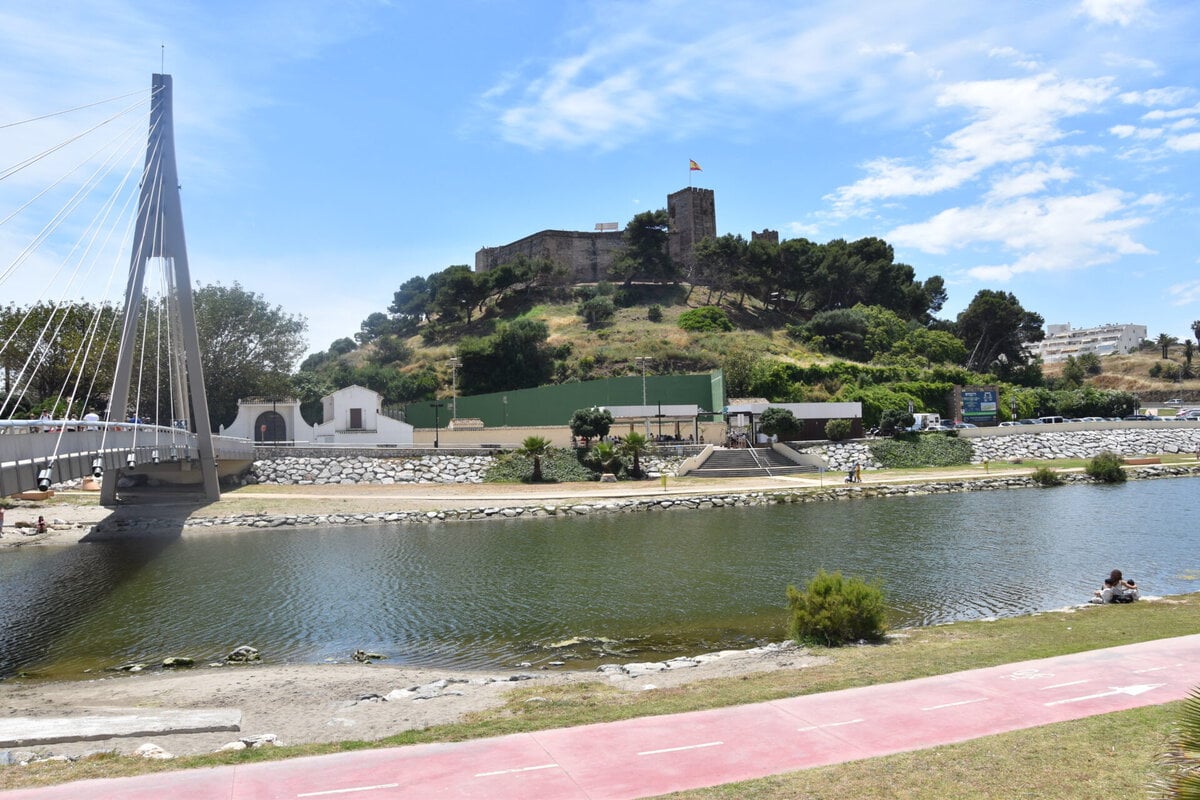
The medieval Sohail Castle provides both historical context and the perfect vantage point for Fuengirola’s daily sunset ritual. Rather than rushing to photograph the monument, locals understand this spot’s true value: the wide beach at its base where the community gathers each evening.
As afternoon transitions to dusk, families, couples, and friends claim spots on the sand with cold drinks, creating an informal social hour that feels both timeless and immediate. The sun dips behind Andalusian mountains, painting the sea in deep orange and purple hues, while conversations flow in animated Spanish around you.
What makes these moments powerful isn’t their Instagram potential—it’s the realization that you’re participating in genuine local tradition rather than observing it. The families surrounding you aren’t performing Spanish culture; they’re living it, and your presence adds to rather than disrupts the authentic community atmosphere.
The Freedom of Unstructured Days in Fuengirola
The most profound emotional shift happens around day three or four, when you check your watch and realize you have absolutely nowhere you must be—and feel no guilt about it. In our experience, this moment of pure, unhurried peace often hits travelers at unexpected times: sitting at that plastic table in a noisy plaza, watching three generations of a local family laugh together over dinner.
This relief comes from temporarily escaping our obsession with travel checklists and Instagram-perfect highlights. Fuengirola’s gift isn’t spectacular monuments or luxury amenities—it’s permission to slow down and watch real life unfold beautifully around you.
The thick coastal warmth, softened by cooling Mediterranean breezes, creates ideal conditions for this unhurried exploration. Even late afternoons remain comfortable, transitioning into balmy evenings where the air stays soft enough for midnight conversations at outdoor tables.
Practical Information When Visiting Fuengirola
Best times to visit Fuengirola: May through October offer ideal weather, with September and October providing perfect temperatures and fewer crowds. Winter months are mild but many beach-focused businesses reduce hours.
Getting to Fuengirola: Málaga Airport is 20 minutes away by train or bus. The C-1 commuter train connects directly to Fuengirola station every 30 minutes. Driving offers more flexibility for exploring the surrounding areas.
Budget expectations: Meals at local freidurías cost €8-15 per person. Beach chiringuito lunches run €15-25. Accommodation ranges from €40-80 per night for apartments to €80-150 for hotels, depending on season and beach proximity.
What to bring: Comfortable walking shoes for cobblestone alleys, sun protection, and a flexible schedule. Download a basic Spanish translation app, though pointing and smiling work remarkably well.
Local transport: The town center is easily walkable. Local buses connect different neighborhoods for €1.20 per trip. Bicycles can be rented for longer beach explorations.

Frequently Asked Questions
How long should I stay in Fuengirola to experience authentic local life?
Plan at least four to five days to fully embrace the unhurried rhythm. The first few days help you shed tourist urgency, while days four and five reveal the deeper community patterns and local haunts that only become visible once you stop rushing.
Is Fuengirola suitable for families with children?
Absolutely—Spanish culture warmly embraces multi-generational gatherings, and children are welcome everywhere from beach chiringuitos to evening plaza life. The wide beaches and pedestrian-friendly town center make family exploration easy and safe.
What’s the difference between Fuengirola and nearby Costa del Sol towns like Marbella?
While Marbella focuses on luxury and polish, Fuengirola maintains its working-class Spanish character alongside beach tourism. You’ll find authentic neighborhood life, reasonable prices, and genuine local culture rather than resort exclusivity.
Can I experience authentic Spanish culture without speaking Spanish?
Definitely—Fuengirola’s locals are patient and welcoming with visitors, making an effort to engage. Basic phrases help, but the town’s relaxed atmosphere makes communication through gestures, smiles, and shared meals surprisingly effective.
When do locals actually eat dinner and socialize in the plazas?
Spanish dinner culture starts around 9 PM, with peak plaza socializing from 10 PM to midnight. Families with children often gather earlier, around 8 PM, while younger crowds extend socializing well past midnight on weekends.
Are there hidden neighborhoods beyond Los Boliches worth exploring?
Plaza Hispanidad and the residential streets around it offer equally authentic experiences with fewer visitors. The area behind the train station reveals working-class Fuengirola at its most genuine, with family-run shops and neighborhood bars frequented entirely by locals.