Malta’s opposition Nationalist Party says it would block any attempt to introduce a European Union-wide online gambling tax, arguing the measure would hurt Malta’s economy and weaken regulated operators across Europe.
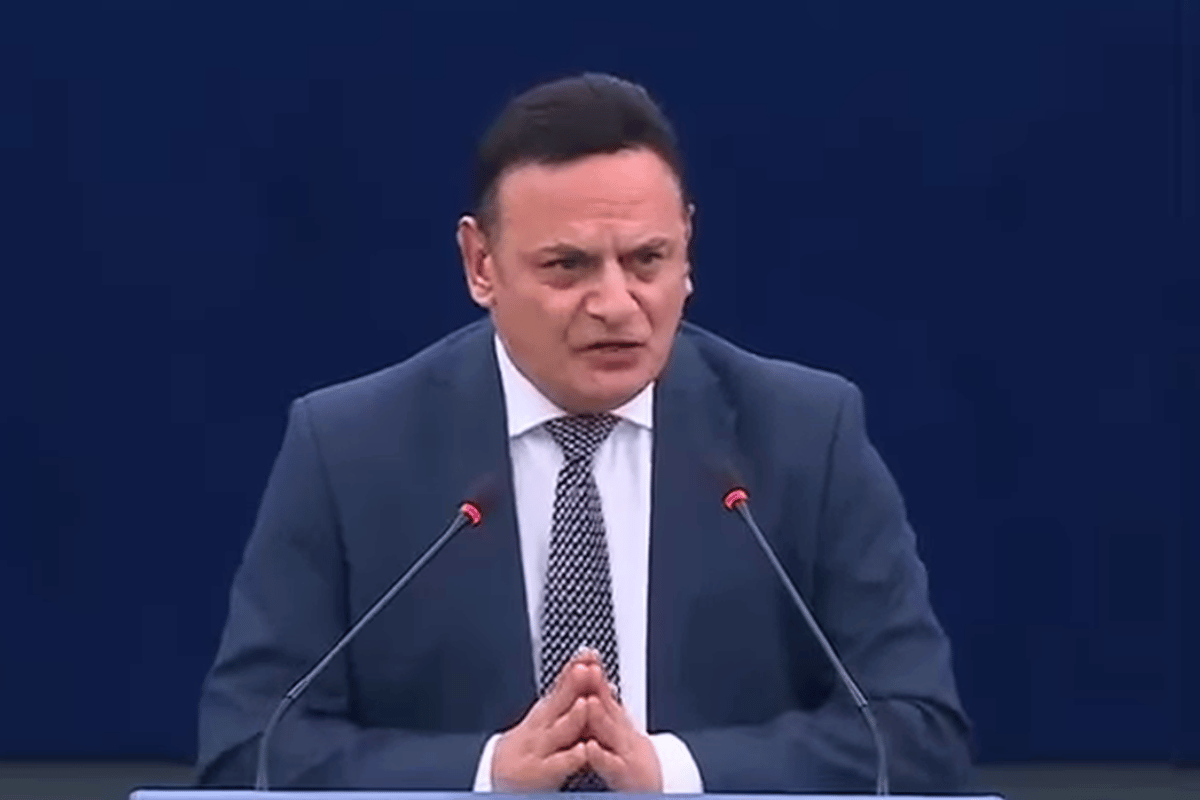
Speaking during a European Parliament plenary debate on future EU “own resources,” Nationalist MEP David Casa described the proposal as deeply damaging for member states with large regulated gaming sectors.
“There have been many strange ideas when it comes to own-resources, but this is the worst one so far,” Casa said during his address.
The proposed levy is part of wider EU discussions about creating new funding streams for the bloc’s budget. Parliamentary discussions cited during the debate suggested an online gaming tax could generate between €2 billion ($2.3 billion) and €4 billion ($4.7 billion) annually.
Casa argued the measure would punish licensed European operators while giving illegal and offshore platforms an advantage.
“A tax that will prejudice licensed EU companies, putting them at a competitive disadvantage,” he said. He added that the proposal would end up “pushing them to third countries and consumers to the grey market” where operators “do not pay tax, and who do not offer even the most basic consumer safeguards.”
European regulators have been increasing cooperation against illegal online gambling networks operating across borders. Regulatory authorities from several European countries recently strengthened joint enforcement efforts aimed at black-market operators, warning that unlicensed platforms create consumer risks and avoid tax obligations.
Casa said Malta’s licensed gaming industry already works under strict supervision and compliance requirements.
“This sector contributes to over 10% of Maltese GDP,” he said. “Respects robust standards and consumer protection and creates high quality employment.”
He also warned Malta remains uniquely exposed to any disruption affecting the sector.
“There is no other member state as exposed as Malta,” Casa said. “We would suffer most from misguided policies that would push business away from the EU.”
The issue also arrives while Malta continues facing scrutiny over Bill 55, legislation designed to shield Maltese gaming companies from certain foreign court judgments. Malta’s Gaming Authority has repeatedly defended Article 56A, arguing the framework protects the country’s regulatory autonomy while remaining consistent with national law.
At the same time, the authority recently confirmed plans to remove the EU’s Online Dispute Resolution platform from local procedures after changes at European level made the system obsolete.
Casa stressed that any new EU own-resources mechanism would still require unanimous backing from member states.
“Let us not waste time, own resources require unanimity,” he said.
He then warned that a future Nationalist government would immediately block the proposal.
“I cannot speak for the present government, particularly since this proposal is socialist led,” Casa said. “But let me be clear, a PN government would veto this proposal. Without hesitation.”
“We will not let anyone dictate to us what is in our sole competence,” Casa said. “Malta will decide on this matter. And we certainly will not be told what to do by any socialist.”
Featured image: David Casa via Facebook