Hisense is on the up. When it first launched in the UK, it was mainly seen as a budget player within the TV market, but slowly and surely, it’s progressed to become a household name.
That transition has seen it transform from a cheap and not always cheerful TV manufacturer to a more consistent one.
There was a time reviewing Hisense TVs where you weren’t sure which version of Hisense was going to turn up. Now, the most recent U8Q was the most complete Hisense TV I’ve tested.
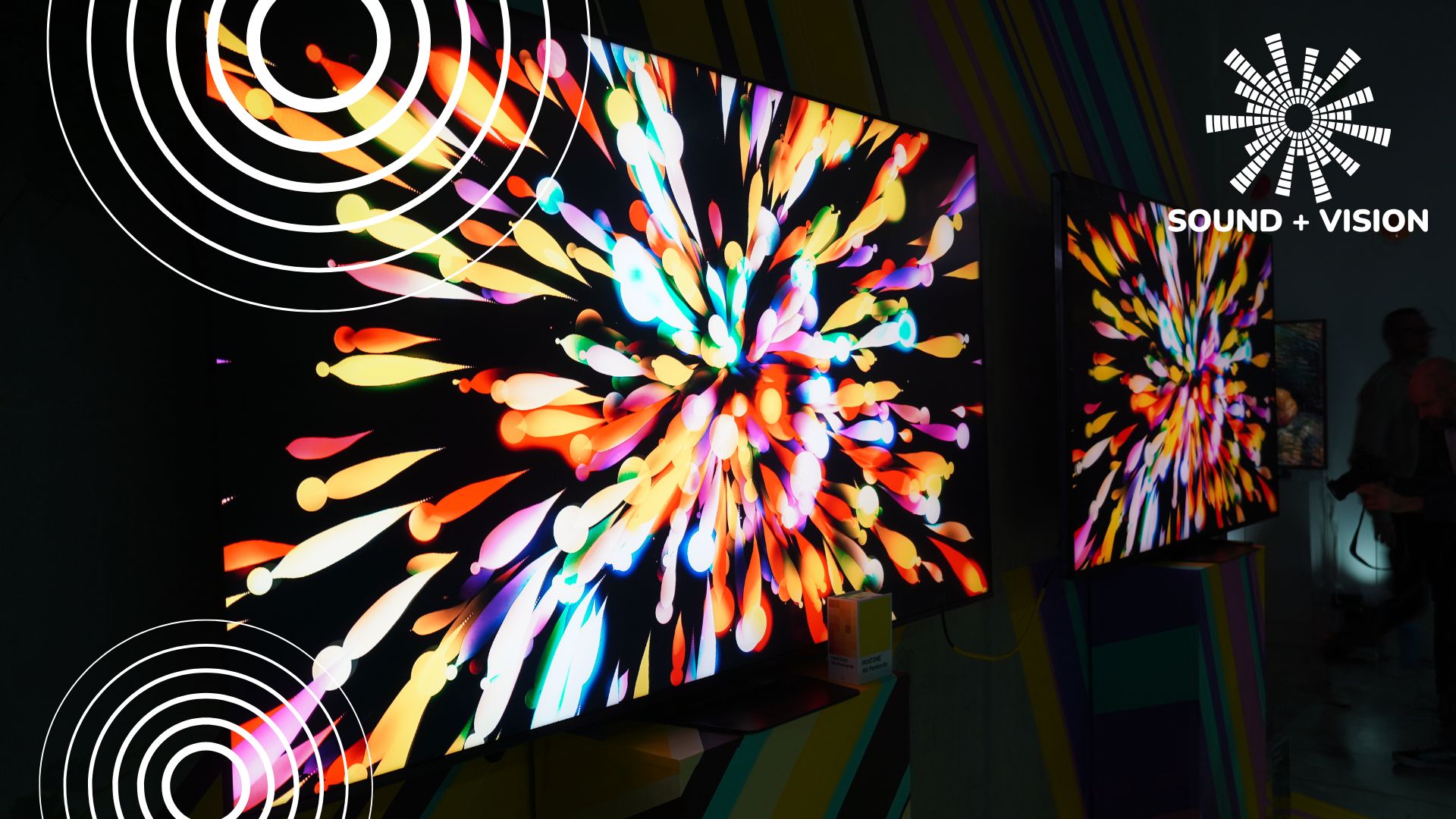
With RGB Mini LED, it’s putting a stake in the ground and marking its territory. This new generation of TVs could hand Hisense an opportunity to make ground and become a challenger to Samsung’s throne.
I went to its European showcase in Munich, Germany, to see what Hisense has stored for 2026.
A seat at the table
Like a scene from a crime movie, Hisense doesn’t just want to be involved, it wants a seat at the table. It wants influence. It wants control.
And that was the (non-criminal) approach it’s taking with RGB Mini LED. Not unlike a new set of rules and regulations in a sport such as F1, RGB could upset the pecking order. Hisense is willing to take the risk, therefore the opportunity, to grab more market share.
Hisense is currently in good standing. According to information gathered from GfK data, in terms of market sales in the UK, Hisense, along with Panasonic, were the only TV brands driving value with the rest in decline. Revenue is up, volume of TVs sold is increasing, market is share is getting bigger. Everything is coming up Milhouse for Hisense.
The brand wants to become synonymous with RGB Mini LED, as Samsung did with QLED and LG has with OLED.

To that extent, it’s been involved in discussions with the CTA Video Divisions Board about determining the standard of ‘real’ RGB Mini LED. As we’ve seen with the Samsung/TCL dispute, it can open up accusations of not delivering true picture quality if some feel you are being misleading.
The definition, by the way, is “RGB LED TVs as liquid crystal display (LCD) televisions that use separately controlled red, green, and blue light-emitting diodes (LEDs) at each element of the backlight source.”
Seems simple enough, but if you’ve watched F1 this season, you’ll know how easy it is for some teams to fall behind.
Hisense is helping to establish the standards, which means it has a stake in what RGB is, and in aligning itself with RGB in marketing terms, the hope is that customers associate the tech first and foremost with Hisense.
Come at the King, you best not miss

But it’s not as if Hisense is the only player at the table.
The most obvious is Samsung, which will launch several RGB TVs. It’s had good and bad experiences in dictating market trends, winning with QLED and failing with 8K. However, those experiences mean Samsung has more knowledge when it comes to dealing with the ups and downs with new generations of TVs.
Hisense is building up a head of steam but Samsung is an established head. Even if the last few years have been rocky with usurpers to the throne (such as TCL), it is still in the lead, and has fended off challengers for the last twenty years. You can’t lose that level of experience.
But you can (eventually) beat it, but doing so takes a level of organisation. Hisense has been building its personnel by getting people who’ve worked at Samsung, LG, and Sony, but there are still times when Hisense’s thinking does not always seem joined up.
Organisationally, it can be hit and miss. For instance, Samsung have the confidence to hold one event and bring people from across Europe. Hisense is holding separate events across Europe and I can’t imagine they’ll be much different between them. A siloed approach is as effective as a unified one.
To continue the sports analogy, you only need to look at the difference between Arsenal and Manchester City to see the difference between a team that’s almost-there and a team that’s been past the finish line. The last inch is often the hardest to find.
Get ready, set…
Regardless, 2026 could be a pivotal year for Hisense. It’s built up a good reputation and goodwill with customers, and it’s delivering better products. It could be on the verge of something great, but it’s easier to chase than to be chased.
Hisense won’t be at the top of the TV table this year, but it’s planting seeds with its RGB Mini LED TVs. Get it right, and the success could propel it forward.
Hisense is establishing a foundation, but the foundation needs to be strong. We’ll see how strong the fruits of its labour are once the UR8S and UR9S RGB TVs launch later this year.