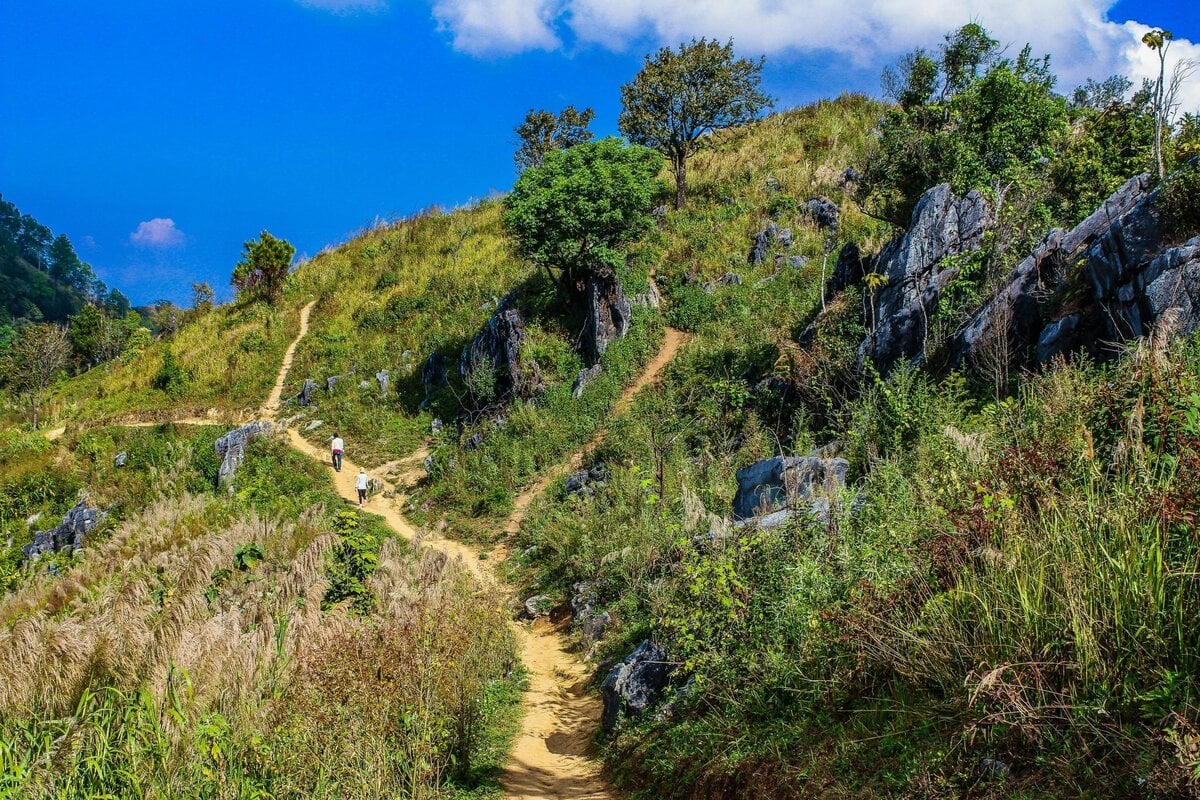
Burnout week has a specific flavor: your brain feels loud, your body feels stuck, and even easy tasks start negotiating for overtime.
When that happens, a half-day hike is one of the quickest ways to reset without needing a full weekend, a big budget, or an elaborate plan.
In the spirit of reclaiming your attention, think of these 5 hikes in the US, like a pressure-release valve. Even if you’re juggling deadlines, group projects, or the kind of to-do list that makes you consider a paper writer by WritePaper writing service, four to six hours outside can bring your nervous system back to a baseline where decisions feel possible again.
Below are five options that punch above their weight on views, plus a simple strategy for doing them in burnout mode without turning your recovery hike into another performance.
Burnout-mode hiking plan (so it actually helps)
Treat this like a micro-sabbatical, not a fitness test. Choose one hike, block the time, and make it easier to succeed than to bail.
- Start earlier than you want to. Cooler temps and emptier trails reduce stress fast.
- Keep the goal tiny. Showing up and walking for 20 minutes is a valid win.
- Pack for comfort, not heroics. Water, salty snack, light layer, and a small sit pad.
- Use airplane mode. If you truly must check in, set two specific times.
- End with a ritual. A hot drink, a shower, a simple meal. Signal recovery complete.
If schoolwork is what’s driving the spiral, notice the thought loop that says you should pay to write paper instead of taking a break. A half-day hike is often the more strategic choice because it restores focus you can actually use later.
Rattlesnake Ledge
This is the classic maximum payoff for minimum complexity hike. The climb is steady but manageable, the trail is obvious, and the payoff is a dramatic overlook of a long lake framed by forested slopes. It’s ideal when you want views but do not want decision fatigue.
Burnout tip: do a slow, even pace from the start and keep your breathing conversational. When you reach the viewpoint, sit for ten full minutes before you even think about snacks or photos. Let your mind wander. The goal is not content, it’s decompression.
Best for: cloudy days, post-work evenings with long daylight, and anyone who wants a confidence-boosting win.
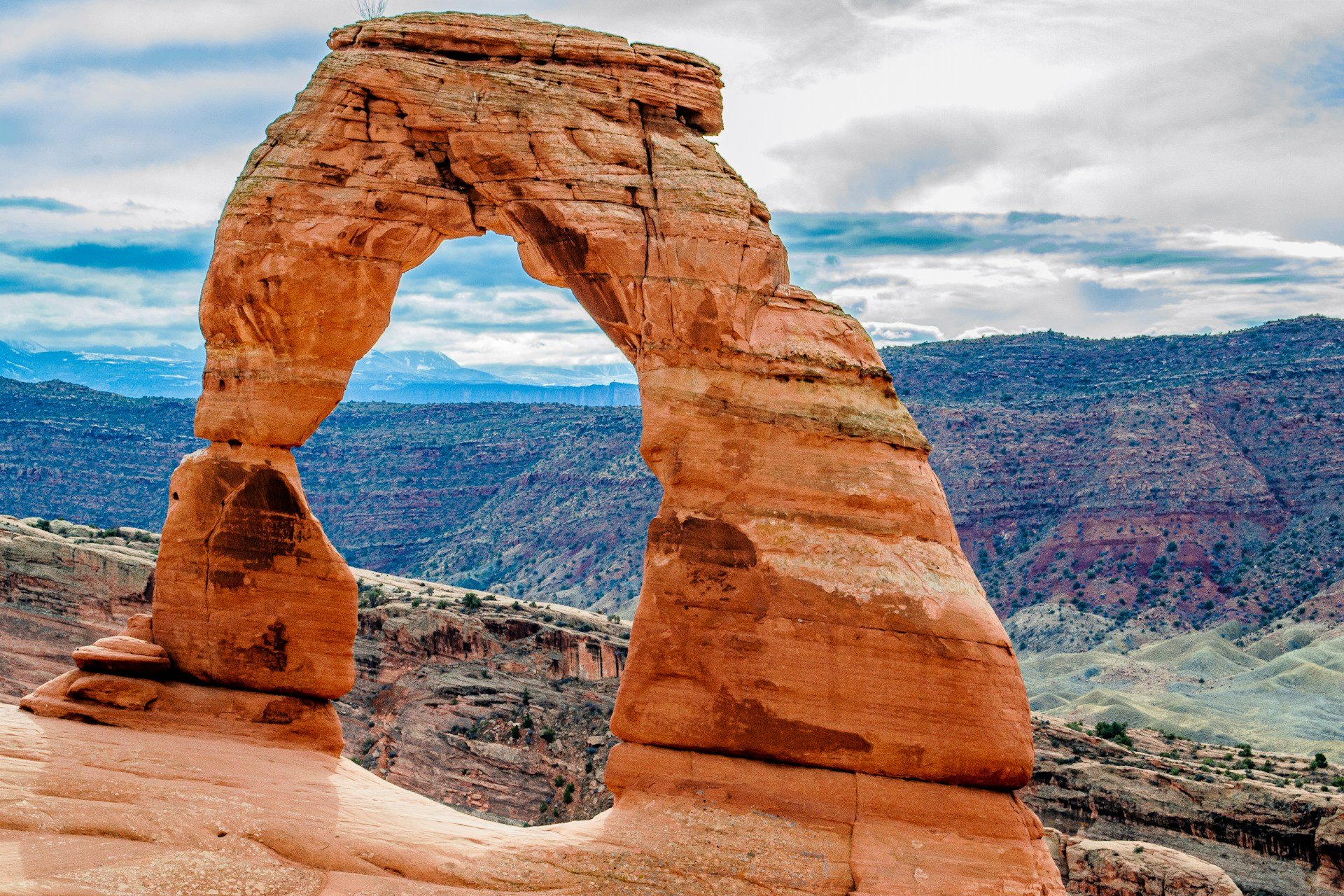
Delicate Arch Trail
If you need a landscape that feels like it belongs to another planet, this one delivers. The trail is relatively short, but the environment does the heavy lifting: open slickrock, massive stone forms, and a destination that makes the effort feel instantly justified.
Burnout tip: this hike can feel exposed and hot. Go early, bring more water than you think you’ll need, and consider it a sunrise mission if your schedule allows. When you arrive, resist the urge to leave right away. Watch how the light changes the stone and how quiet your brain becomes when it has something vast to look at.
Best for: people who want awe and simplicity, and anyone who needs a clean mental break from screens.
Hidden Lake Overlook
This is a fantastic choice when you want alpine energy without committing to an all-day sufferfest. The route offers sweeping mountain scenery and the kind of big-sky spaciousness that makes cramped thoughts loosen their grip.
Burnout tip: split the hike into chapters. Walk to the first scenic stretch, pause. Walk again, pause. This sounds small, but it’s a powerful nervous-system cue: you are not rushing, and nothing is chasing you. If your brain keeps replaying tasks, give it one job only, like noticing three different shades of green in the landscape.
Best for: a reset that feels cinematic, and hikers who want a strong reward without complex logistics.
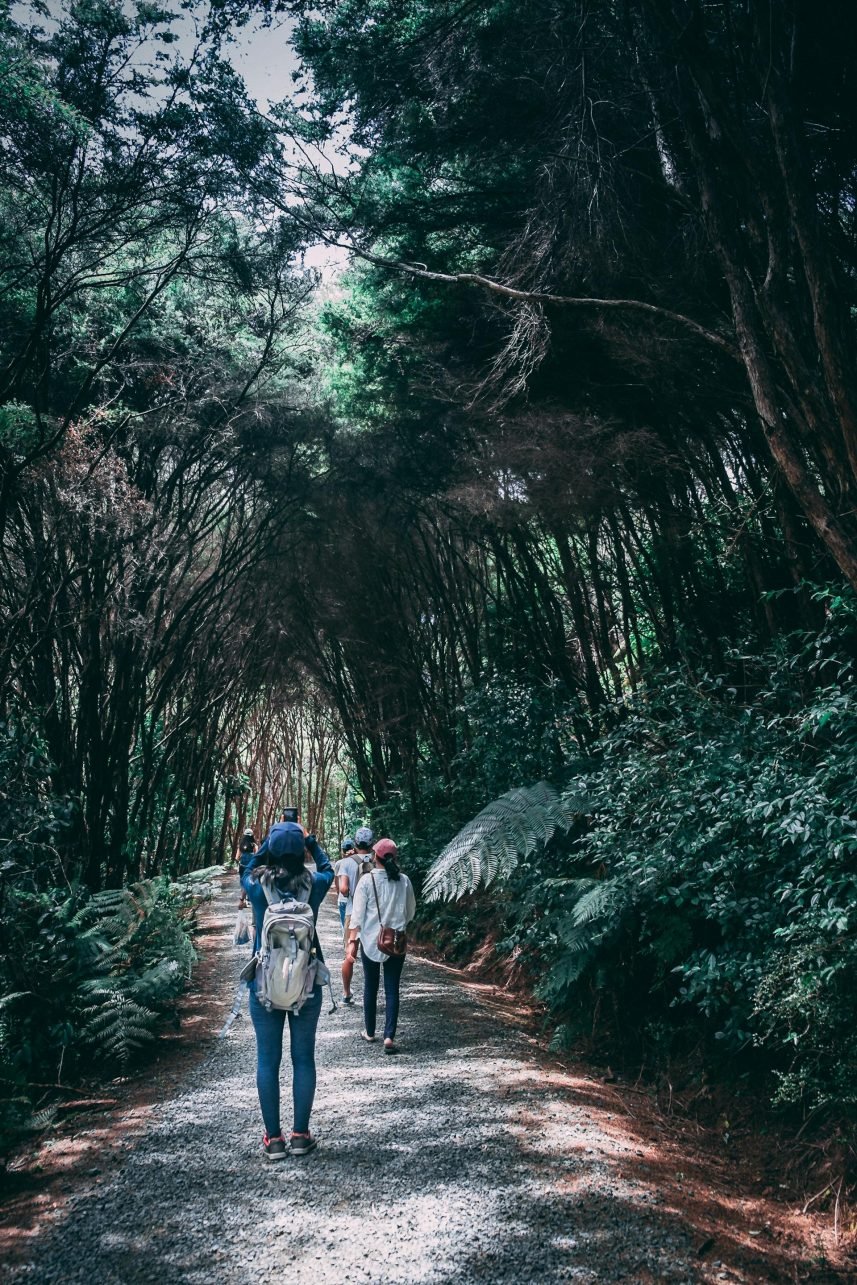
Bearfence Mountain Trail
This one is short, spicy, and surprisingly playful. You’ll get scrambly sections and a viewpoint that feels earned, but you won’t be gone all day. It’s excellent when burnout has made you feel a little numb, and you want your body to wake your mind up.
Burnout tip: if you’re feeling fragile, move carefully and skip anything that feels unsafe. The point is engagement, not proving something. On the overlook, practice a soft focus gaze: stop scanning, stop optimizing, just look. You may be surprised how quickly your shoulders drop.
Best for: anyone who wants a quick challenge, a strong payoff, and a reset via movement effect.
Stawamus Chief First Peak Trail
When you want drama, this is hard to beat. The climb is real, but the view is the kind that reorders your priorities in a healthy way: water, granite, and wide-open distance that makes your week feel smaller.
Burnout tip: this is a great boundary hike. If you’ve been overgiving, overworking, or overthinking, make the hike a statement: you are allowed to take up time and space. Move steadily, fuel early, and when you reach the top, do something intentionally unproductive, like lying back and watching clouds.
Best for: strong views, a tangible sense of accomplishment, and a half-day that feels like a full reset.
How to pick the right hike for your specific burnout
Choose based on the kind of tired you are, not the kind of athlete you wish you were today.
- Mentally fried: pick the most straightforward trail with the clearest navigation.
- Emotionally heavy: pick the biggest view (awe is medicine).
- Physically drained: pick the shortest option and take more breaks than you think you need.
- Restless and anxious: choose the one with steady climbing so your body can metabolize stress.
And if you’re staring at your workload thinking you might pay for paper just to survive the week, consider this a kinder alternative: step outside, get perspective, then return with a calmer brain and a smaller problem.
If you want, tell me your region and your realistic max drive time, and I’ll swap these for local half-day hikes with similar big view, low friction payoff.