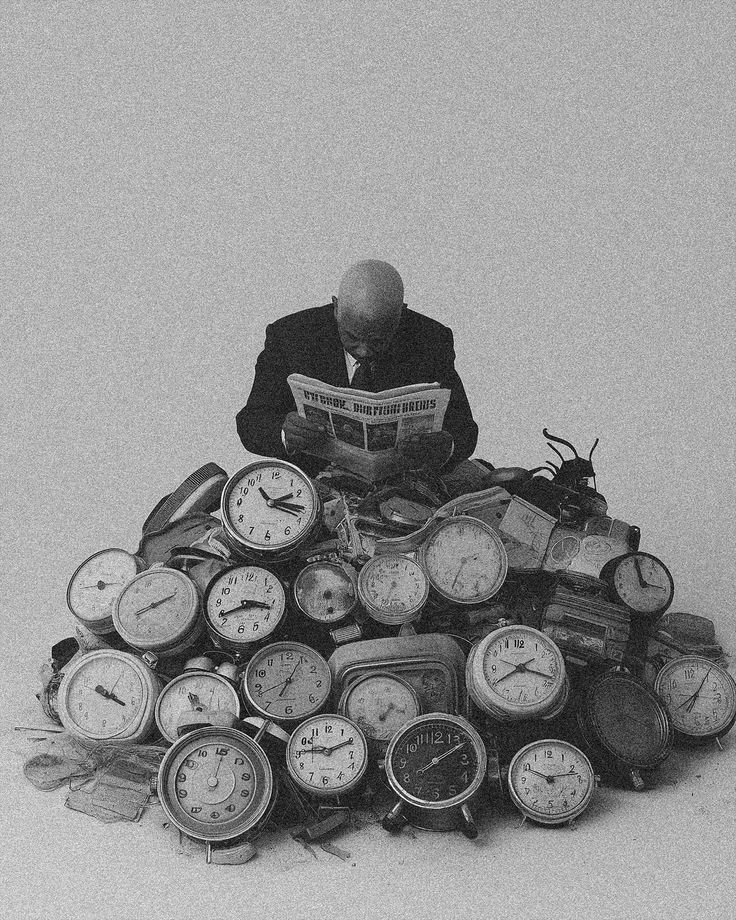
Movement doesn’t always mean progress.
We live in a time where being busy has almost become a badge of honor. People talk about packed schedules, long to-do lists, and constant activity as if it’s a sign of success. If you’re always doing something, you must be moving forward. At least, that’s what it looks like.
But when you step back and look closer, a different question starts to surface. Are we actually getting meaningful work done, or are we just staying busy for the sake of it?
The Culture of Constant Activity
Somewhere along the way, productivity got confused with activity. The more tasks you complete, the more productive you feel. The more hours you spend working, the more it seems like you’re making progress.
But activity is easy to measure. It’s visible. It fills your day.
Meaningful work, on the other hand, is harder to define. It doesn’t always show immediate results. It requires focus, patience, and sometimes doing less, not more.
That’s why many people default to staying busy. It feels productive, even when it isn’t.
The Illusion of Progress
Checking off tasks gives a sense of accomplishment. Answering emails, attending meetings, organizing files, responding to messages. These actions create the feeling of movement.
But not all movement leads somewhere important.
You can spend an entire day completing small tasks and still not move closer to your actual goals. It feels like progress, but it’s often just maintenance.
The problem is not that these tasks are unnecessary. It’s that they start to replace the work that actually matters.
Shallow Work vs Deep Work
A big part of the issue lies in the type of work we do.
Shallow work is quick, reactive, and often repetitive. It includes things like emails, notifications, and routine tasks. It’s easy to start and easy to complete.
Deep work is different. It requires concentration, uninterrupted time, and mental effort. It’s where real progress happens. It’s where ideas are built, problems are solved, and meaningful output is created.
External Insight
Busy Doesn’t Mean Productive
Understand why constant activity often leads to little progress, and how structuring your time can change everything. :contentReference[oaicite:0]{index=0}
But deep work is uncomfortable. It demands focus in a world full of distractions. And because it’s harder, it’s often avoided.
So we choose shallow work instead. Not because it’s more important, but because it’s easier.
Distraction Feels Like Work
One of the biggest challenges today is that distraction doesn’t feel like distraction anymore.
Scrolling through information, switching between tasks, responding instantly, all of it feels like you’re engaged. It feels like you’re doing something productive.
But constant switching breaks focus. It reduces the quality of your thinking. It keeps you busy without allowing you to go deep into anything.
You end up doing more, but achieving less.
The Pressure to Appear Busy
There’s also a social layer to this. Being busy is often associated with importance. If you’re always occupied, it looks like you’re in demand. It signals value.
So people start to perform busyness. They fill their schedules, take on more than they can handle, and stay constantly active, not just for themselves, but for how it appears to others.
But appearing productive is not the same as being productive.
Why Meaningful Work Gets Delayed
Meaningful work is often pushed aside because it doesn’t demand immediate attention. It’s not urgent, even though it’s important.
It requires planning. It requires time. It requires saying no to other things. And in a world driven by urgency, anything that doesn’t demand instant action tends to get delayed. So the work that actually matters gets postponed, while smaller, less impactful tasks take over the day.
Redefining Productivity
Real productivity is not about how much you do. It’s about what you do and why you do it.
It’s about focusing on tasks that move you forward, not just tasks that keep you occupied. It’s about creating value, not just completing activity.
This shift requires a different mindset. Instead of asking, “How busy was I today?” the question becomes, “Did I do something that actually matters?”
Doing Less, But Better
One of the most effective ways to become more productive is to do less.
Not less effort, but fewer, more intentional tasks. Prioritizing what truly matters and giving it the time and focus it deserves.
This often means letting go of the need to fill every moment. It means accepting that some things can wait, and some things don’t need to be done at all.
When you reduce noise, clarity improves. And when clarity improves, progress becomes more visible.
The Role of Focus
Focus is what turns effort into results. Without it, even the hardest work can feel scattered and unproductive.
But focus is not just about avoiding distractions. It’s about choosing where your attention goes. It’s about being intentional with your time. In a world that constantly competes for your attention, protecting your focus becomes essential.
Are You Productive, Or Are You Just Busy?
A powerful read on how being constantly busy doesn’t always mean making real progress.
Because where your attention goes, your progress follows.
The Real Measure of Progress
At the end of the day, productivity is not about how exhausted you feel. It’s not about how full your schedule is.
It’s about whether you moved closer to something meaningful.
Did you create something? Did you solve something? Did you make progress in a direction that matters to you?
These are harder questions to answer, but they are the ones that define real progress.
The Shift That Matters
We don’t need to do more. We need to do what matters.
Busyness is easy. It fills time, it creates the illusion of progress, and it feels productive in the moment.
But real productivity is quieter. It’s focused. It’s intentional. It doesn’t always look impressive from the outside, but it creates results that last.
Movement doesn’t always mean progress.
And sometimes, the most productive thing you can do is slow down, focus, and work on what truly matters.