More years doesn’t always mean better years.
For most of human history, survival itself was the goal. Living longer was rare, uncertain, and often out of human control. Today, that has changed. Advances in medicine, technology, nutrition, and living standards have pushed life expectancy higher than ever before. People are living longer across the world, and what once felt like a privilege is slowly becoming the norm.
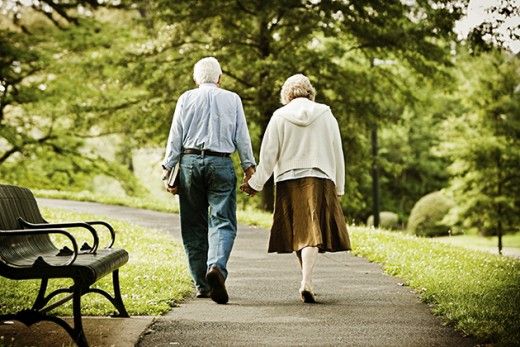
But beneath that progress lies a deeper question. Are we actually living better, or are we simply extending the number of years we exist?
The Rise of Longevity
There is no denying the progress. Healthcare systems have improved, diseases that once caused widespread mortality are now manageable, and awareness around health has increased. Preventive care, early diagnosis, and better treatments have all contributed to longer lifespans.
On paper, this looks like success. Longer life expectancy suggests a healthier, more advanced society. It reflects innovation, development, and access to resources.
But longevity alone does not define the quality of life. Living longer and living well are not always the same thing.
Adding Years vs Adding Life
There is a growing distinction between lifespan and healthspan. Lifespan refers to how long we live. Healthspan refers to how well we live during those years.
This difference is becoming more visible today. Many people are living longer, but not necessarily healthier. Chronic conditions, lifestyle-related diseases, and mental health challenges are becoming more common.
How Long Did Ancient People Live?
Read the BBC Future article on life span versus longevity in ancient times.
It is possible to live for decades while dealing with constant discomfort, limitations, or dependence. In such cases, more years do not automatically translate into better living.
The real goal is not just to extend life, but to extend the quality of those years.
Modern Lifestyle, Modern Challenges
While medical advancements have improved longevity, modern lifestyles have introduced new challenges. Sedentary habits, processed food, high stress levels, and constant digital engagement are affecting overall well-being.
People are more connected than ever, yet often feel more isolated. Work is less physically demanding, but mentally exhausting. Convenience has increased, but movement has decreased.
These shifts impact both physical and mental health. Over time, they influence how people experience their later years.
Living longer in a system that does not support long-term well-being creates a gap between duration and quality.
The Illusion of “Healthy Living”
There is also a growing focus on wellness, but not all of it translates into real health. Trends, quick fixes, and surface-level habits often replace deeper, more sustainable practices.
People may follow routines that appear healthy but lack consistency or long-term impact. The idea of health becomes something that is performed rather than lived.
This creates an illusion. It feels like progress, but it may not lead to meaningful improvement in overall well-being.
True health is less about short-term efforts and more about long-term patterns.
The Role of Mental Health
Another important aspect of quality of life is mental well-being.
As people live longer, the importance of mental health becomes more significant. Loneliness, anxiety, burnout, and lack of purpose can affect how those years are experienced.
A longer life without emotional stability or fulfillment can feel incomplete. Mental health is not separate from physical health, it is deeply connected to it.
External Insight
The Global Divide Between Longer Life and Good Health
Explore Mayo Clinic’s perspective on the gap between living longer and living healthier.
A meaningful life is not defined only by how long it lasts, but by how it feels while being lived.
Technology: Helping or Hurting?
Technology has played a major role in increasing life expectancy. It has improved medical care, made information accessible, and simplified many aspects of life.
At the same time, it has introduced new patterns of behavior. Screen time has increased. Physical activity has decreased. Attention spans have changed.
Technology makes life easier, but it can also make it less active, less present, and sometimes less balanced.
The impact of technology on long-term health is complex. It offers solutions, but also creates new challenges that need to be managed.
Redefining What It Means to Live Well
As life expectancy increases, the definition of a “good life” is evolving. It is no longer just about survival or longevity. It is about independence, mobility, clarity of mind, and emotional fulfillment.
People are starting to prioritize how they live, not just how long they live. They are thinking about the kind of life they want to maintain in later years.
This shift is changing how health is approached. It is becoming more proactive, more personalized, and more focused on long-term sustainability.
Living well is becoming as important as living long.
The Balance Between Progress and Awareness
Progress in healthcare and science has given us the ability to extend life. But that progress needs to be balanced with awareness.
Awareness of lifestyle choices. Awareness of mental health. Awareness of long-term consequences.
Without that awareness, longevity can become a number without meaning. With it, it can become an opportunity to live more fully.
The responsibility is not just on systems or technology. It also lies with individuals and how they choose to live.
Are We Living Longer, or Just Living Differently?
The answer is both.
We are living longer, but we are also living differently. Our environments, habits, and priorities have changed. Some of these changes support better living, while others create new challenges.
The real question is not whether we are living longer. That is already happening.
The question is whether we are using those extra years in a way that adds value, meaning, and well-being to life.
The Bigger Perspective
Longevity is an achievement, but it is not the final goal. It is a starting point.
What truly matters is how those years are experienced. Whether they are active or limited. Connected or isolated. Purposeful or routine.
More years give us more time. But time alone does not define a life.
What we do with that time does.