There was a time when watching a movie meant going somewhere. It was planned. You checked show timings, booked tickets, maybe even adjusted your day around it. Walking into a theatre felt like stepping into a different space altogether. The lights dimmed, the screen lit up, and for a few hours, nothing else mattered.
Today, that experience has changed. Not disappeared, but changed.
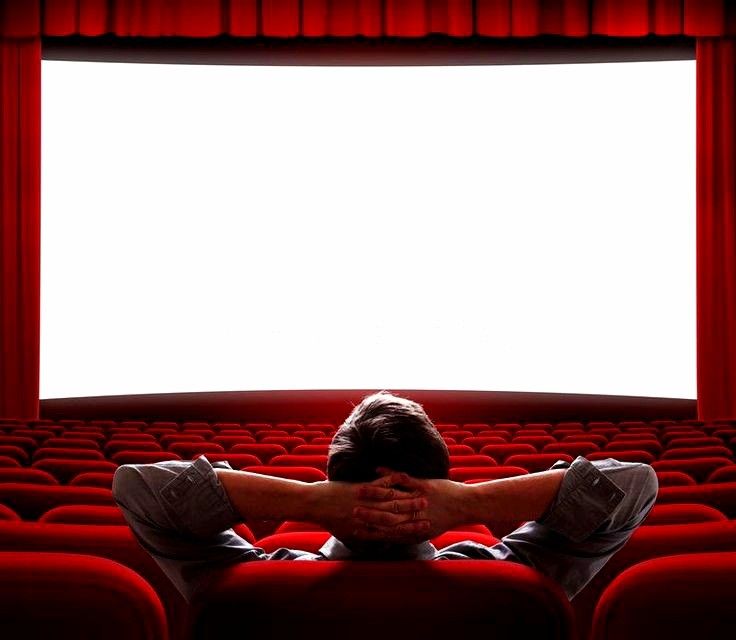
With streaming platforms taking over, movies have become more accessible than ever. You don’t need to plan. You don’t need to go anywhere. You just open an app, pick something, and start watching. It’s instant, easy, and always available.
But in gaining convenience, have we lost something more valuable?
The Shift From Occasion to Habit
Watching a movie used to feel like an event. It had weight. You didn’t watch films casually every day, so when you did, it felt special.
Streaming has turned that experience into a habit. Movies are no longer reserved for weekends or plans. They are part of daily consumption, like scrolling or browsing.
External Insight
Cinema vs OTT: Is the Big Screen Fading?
Explore how streaming platforms are challenging traditional theatres, reshaping audience behavior, and redefining entertainment in India.
This shift changes how we value what we watch. When something becomes easily available, it often becomes easier to ignore. You start a movie. Pause it. Switch to another. Come back later, or sometimes never. The experience becomes fragmented.
Convenience Is Winning
There’s no denying it. Streaming is convenient.
You can watch anything, anytime, from anywhere. There are no queues, no fixed timings, no interruptions from crowds. You control the pace. You pause when you want, skip what you don’t like, and switch instantly if something doesn’t hold your attention.
For many people, especially those with busy schedules, this flexibility is not just attractive, it’s necessary.
It fits into life seamlessly.
And that’s exactly why it’s winning.
But Experience Is Changing
The theatre experience is not just about watching a movie. It’s about being immersed in it.
A large screen, surround sound, a dark room with no distractions. You’re not checking your phone. You’re not multitasking. You’re fully present.
Streaming changes that. At home, there are always distractions. Notifications, conversations, background noise. Even if you’re watching the same movie, the level of engagement is different. The screen is smaller. The sound is softer. The environment is familiar. You are not stepping into the movie. The movie is fitting into your space. And that changes how it feels.
Content Is Being Created Differently
Another subtle shift is happening behind the scenes.
As streaming platforms grow, the type of content being produced is changing. Films are no longer made only for the big screen. Many are designed specifically for digital viewing. This affects storytelling. The pacing becomes faster. Scenes are structured to hold shorter attention spans. There’s less reliance on cinematic scale and more focus on immediate engagement.
In some cases, storytelling becomes more episodic, even within movies. This doesn’t make it worse, just different. But it does move cinema away from its original form, which was built around the theatre experience.
The Value of Collective Viewing
One thing streaming cannot replicate is the feeling of watching something with a crowd. In a theatre, reactions are shared. Laughter spreads. Silence feels deeper. A powerful scene feels even more intense when experienced collectively. There’s a kind of energy in that space.
Back to The Big Screen: The Revival of The Cinema Experience
Read the full article on Trill.
Streaming is personal. It’s individual. You watch alone or with a small group. The reactions are contained. While this makes it comfortable, it also makes it quieter. The emotional impact is often less amplified.
Are We Watching More but Feeling Less?
With streaming, we are definitely consuming more content. There is always something new to watch.
But the question is, are we connecting with it the same way?
When you watch too much, too often, the impact of each piece can reduce. Movies start to blend together. Moments that should feel memorable become just another part of the feed.
In theatres, you remember the experience. The film becomes tied to a moment, a place, a feeling.
At home, it often becomes just another title you watched.
The Economics of Choice
Streaming platforms have changed the economics of entertainment. Subscription models make content feel unlimited.
When you pay once and get access to everything, the perceived value of each individual movie decreases.
In contrast, buying a movie ticket creates a sense of commitment. You’ve chosen this one experience. You’re more likely to stay engaged, to watch it fully, to give it your attention.
Choice, while powerful, can sometimes reduce focus.
And focus is what makes experiences meaningful.
Is the Big Screen Losing Its Power?
Not entirely.
Theatres still hold a unique place. Certain films are made for that environment. Large-scale visuals, powerful sound design, and immersive storytelling still feel different on the big screen.
For major releases, the theatre experience remains strong. People still show up for films that promise something beyond just content, something that feels like an experience.
But for everyday viewing, streaming has taken over.
The balance has shifted.
The Future Is Not One or the Other
It’s not about choosing between cinema and streaming. It’s about understanding that both serve different purposes now.
Streaming offers accessibility and convenience. Cinema offers immersion and intensity.
One fits into your life. The other pulls you out of it.
And both have value.
The Real Question
The real question is not whether the big screen has lost its power.
It’s whether we still seek that kind of experience.
In a world where everything is instant, easy, and always available, choosing to slow down, step out, and fully engage with something has become rare.
Cinema still offers that.
But it requires effort.
And in today’s world, effort is often the first thing we give up.
Maybe the big screen hasn’t lost its power.
Maybe we’ve just stopped choosing it as often.